Written by Devon Cochrane, Occupational Therapist & CEO, Tall Tree Health
Before I joined Tall Tree Health, I worked for a year as a community occupational therapist and case manager. I saw clients for all sorts of reasons, mainly for injury and pain after car accidents. I noticed that the people with concussions had a really tough time. They'd have significant symptoms, be off work, and have a hard time driving. They would see me in one spot, a physio in another, a counsellor somewhere else across the city, and retell their story every time. Rehab became a full-time job for them.
On top of that, the advice they got often made things worse. Many had been told to rest in a dark room and wait it out. Treatment was mostly passive, and nobody had given them a clear picture of what recovery would look like. I kept thinking there had to be a better way.
At the same time, concussion research was growing rapidly, and public awareness was increasing. The movie Concussion had just come out, new guidelines were emerging, and more people were searching for information about concussions than ever before. It felt like the right time to rethink how we approached concussion care.
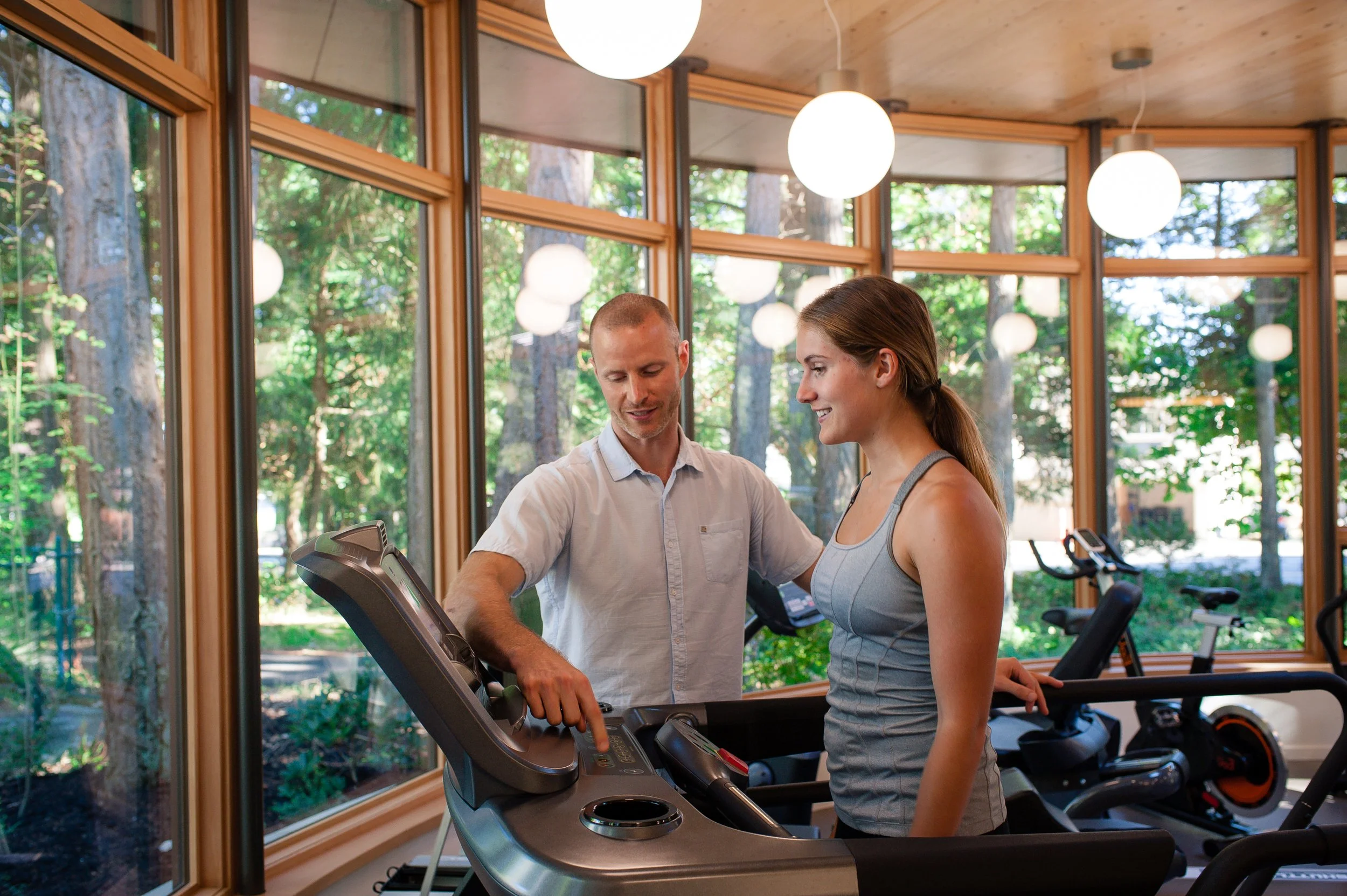
How Tall Tree's Concussion Program Began
In January 2017, I joined Tall Tree to help build a better approach to concussion. Brad, who founded Tall Tree Health, had built the company on two ideas I shared: make best practice real and put all the services people need under one roof. I felt a concussion program was a great way to do both.
It was a bit of a gamble. There was no dedicated concussion program in Victoria at the time, and Tall Tree was still pretty new, just about a year old. We had a solid hypothesis: if people could gradually get moving again, access a coordinated team and receive the right care in one place, we could help them recover and get back to their lives sooner. Nobody here in town had shown it could work, or that people would actually want it.
Curtis Tait, PT, and I started the program as its first two primary clinicians. Curtis was one of Tall Tree's founding physiotherapists, and he's still with us today. In the beginning, my schedule was close to empty. But slowly, one by one, people started reaching out for help, and we poured ourselves into every appointment.
It took about a year before the program could stand on its own. I worried about that a lot, and so did Brad. But he never stopped backing it, because he believed in it as much as I did.
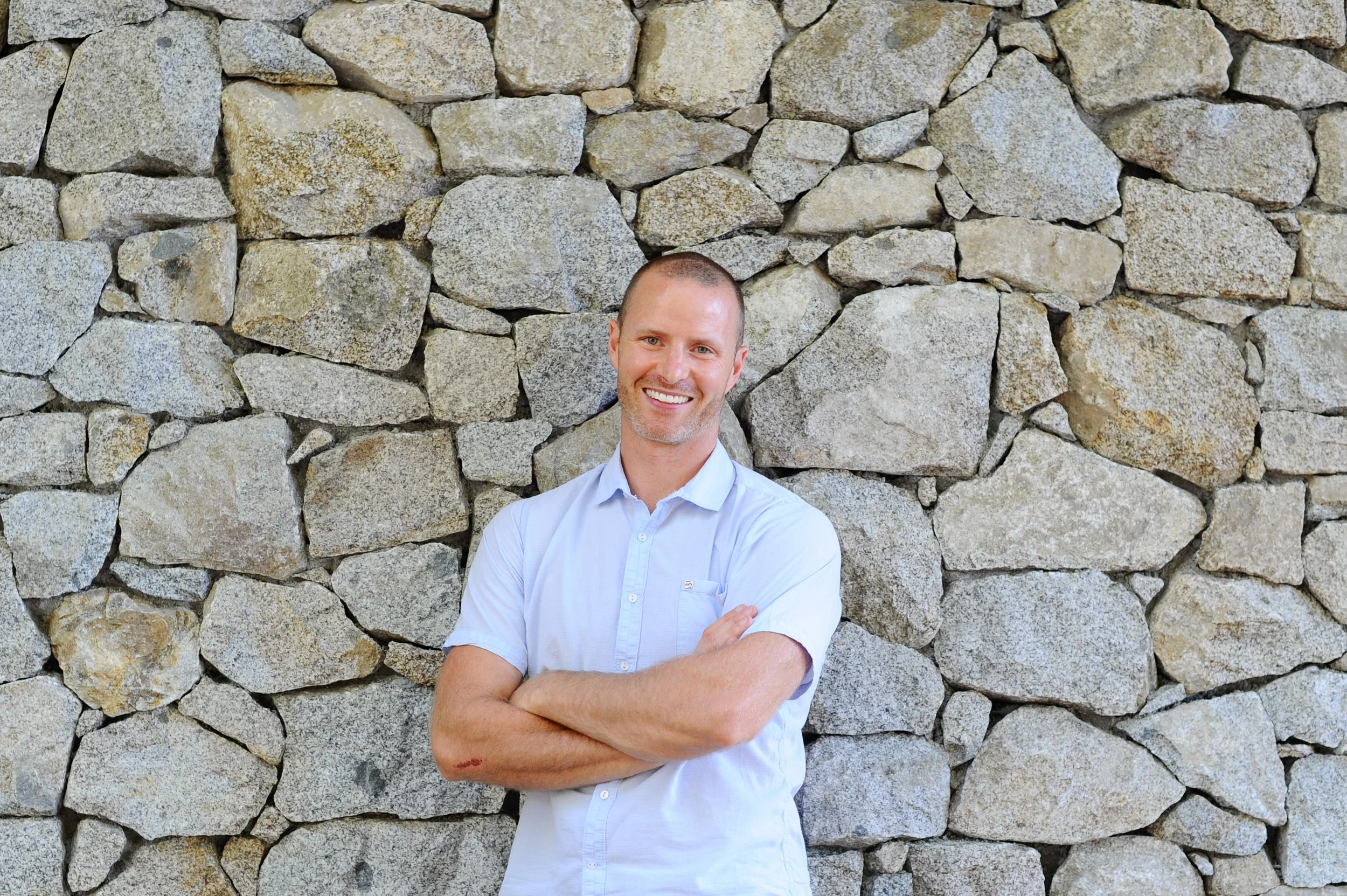
Curtis Tait, Physiotherapist
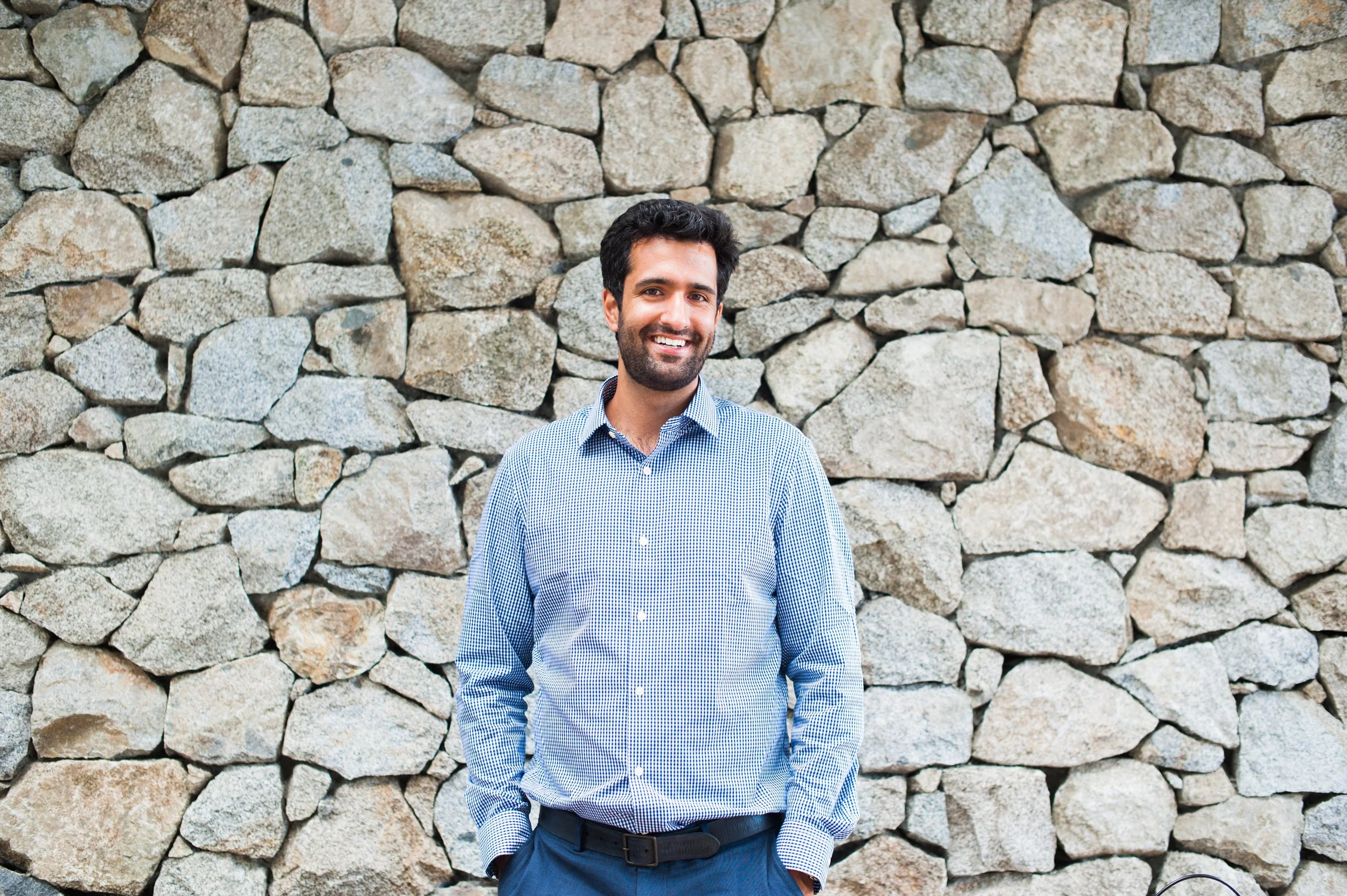
Brad Jawl, Founder of Tall Tree Health
Helping People Get Back to Their Lives
The clinical approach worked well from the start. It just took time for word to get around. Each person shared their story, and the results built on each other.
One patient I often think about is a university hockey player. She'd experienced multiple concussions and was close to giving up the sport. With a personalized exercise program and the right support, she was able to recover and get back on the ice.
I also remember someone who felt stuck in a job they didn't enjoy while dealing with concussion symptoms. As their symptoms improved, they regained the confidence to make a big change and start their own business.
Over the years, we've had the privilege of helping care aides, executives, educators, police officers, entrepreneurs, athletes and even a university dean or two. It's been incredibly meaningful to work with people of all ages and backgrounds.
Building an Interdisciplinary Concussion Team
From two of us, the program has grown to about twenty practitioners spanning all our sites. A few things helped us grow: we took on a larger program with WorkSafeBC, which let us build out the team, and we brought the program to Vancouver and James Bay.
As the program grew, so did the range of expertise available to patients. Today, our team includes physiotherapists, occupational therapists, kinesiologists, counsellors, psychologists and chiropractors, with naturopathic doctors contributing when appropriate. This means we can bring in different types of support depending on each person's symptoms, needs and recovery goals.
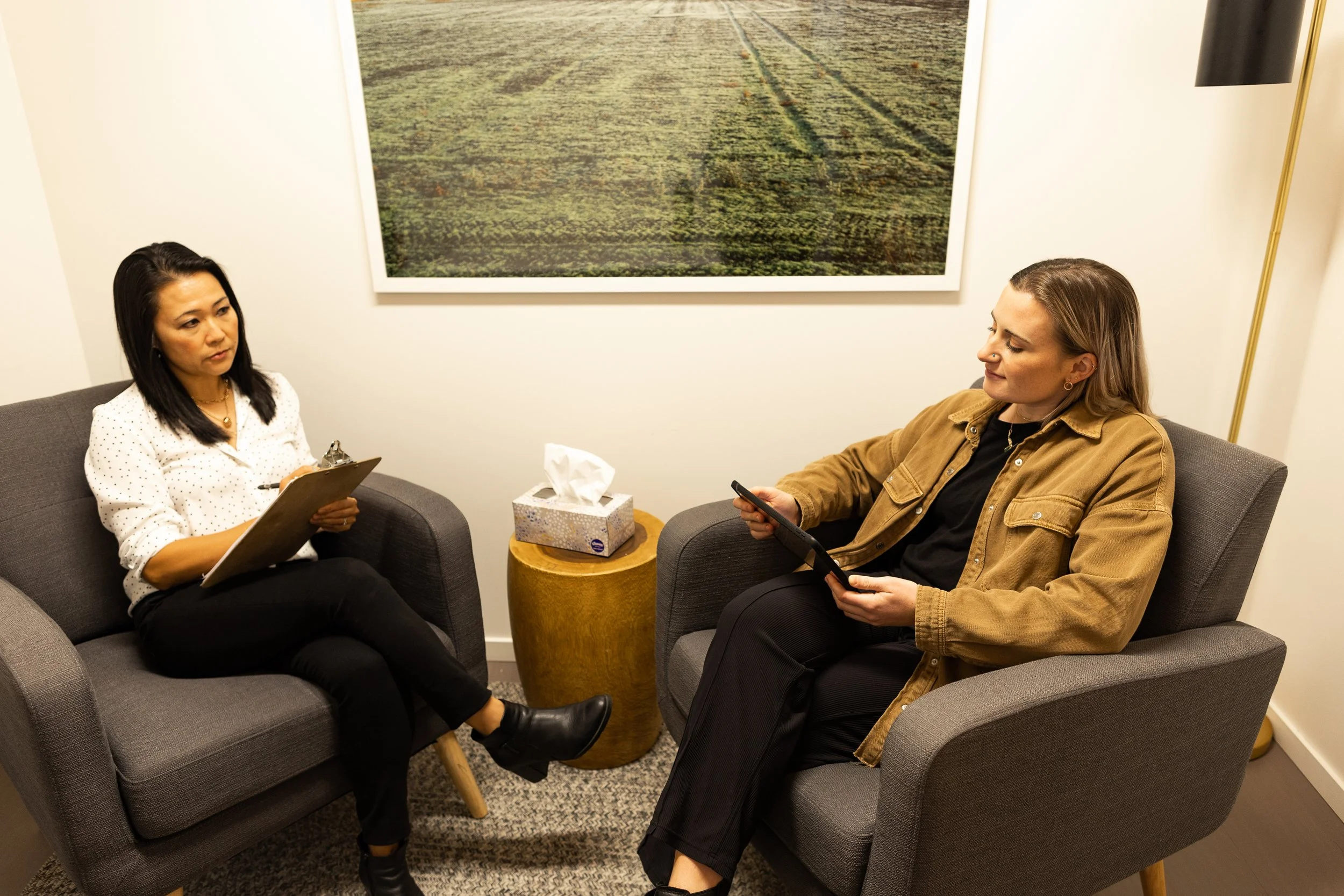
How Our Approach to Concussion Recovery Has Evolved
I'm thrilled that so many of the core ideas we started with have stood the test of time. Research has continued to strengthen the evidence behind gradually returning to activity, staying connected to everyday life and addressing the different factors that can affect recovery.
What has changed is how much we've learned about concussion recovery. We now have stronger evidence supporting a gradual return to activity and targeted treatment for symptoms that persist. There's also greater recognition of the role mental health can play in recovery and the importance of bringing in different healthcare professionals when needed. Our understanding of concussion diagnosis and treatment continues to evolve, and we've adapted our program along the way.
We've continued to update the program as new research emerges, but also to make the experience easier for patients. What used to take three assessment appointments can now be done in one, and we've expanded the mental health support available throughout recovery.
Today, the program starts with a physiotherapy assessment that looks at the different ways a concussion may be affecting you. This includes reviewing your symptoms, checking your balance and eye movements, assessing your neck and, when appropriate, using a gentle treadmill test to understand how your body responds to exercise. If additional support is needed, such as a cognitive assessment with an occupational therapist or mental health care, our team works together to determine the next steps.
One of the biggest benefits of this approach is that patients don't have to manage their recovery alone. Instead of travelling between different clinics and repeating their story at every appointment, they have access to a team that communicates and works toward the same goals. The aim is simple: less time coordinating appointments and more time getting back to life.
We encourage people to gradually return to light activity early in recovery, rather than avoiding movement altogether. After an initial period of relative rest, this might mean starting with short walks or gentle exercise and slowly building up as symptoms allow. A small, temporary increase in symptoms can be okay, but if symptoms worsen significantly or don't settle, it's a sign to ease back and adjust the plan.
When concussion symptoms last for months, recovery can become more complicated. Changes in how the nervous system responds to activity, along with factors like sleep, neck pain, stress and mental health, can all contribute to ongoing symptoms. Our approach is to understand what's affecting each person and help them gradually rebuild their tolerance for everyday activities.
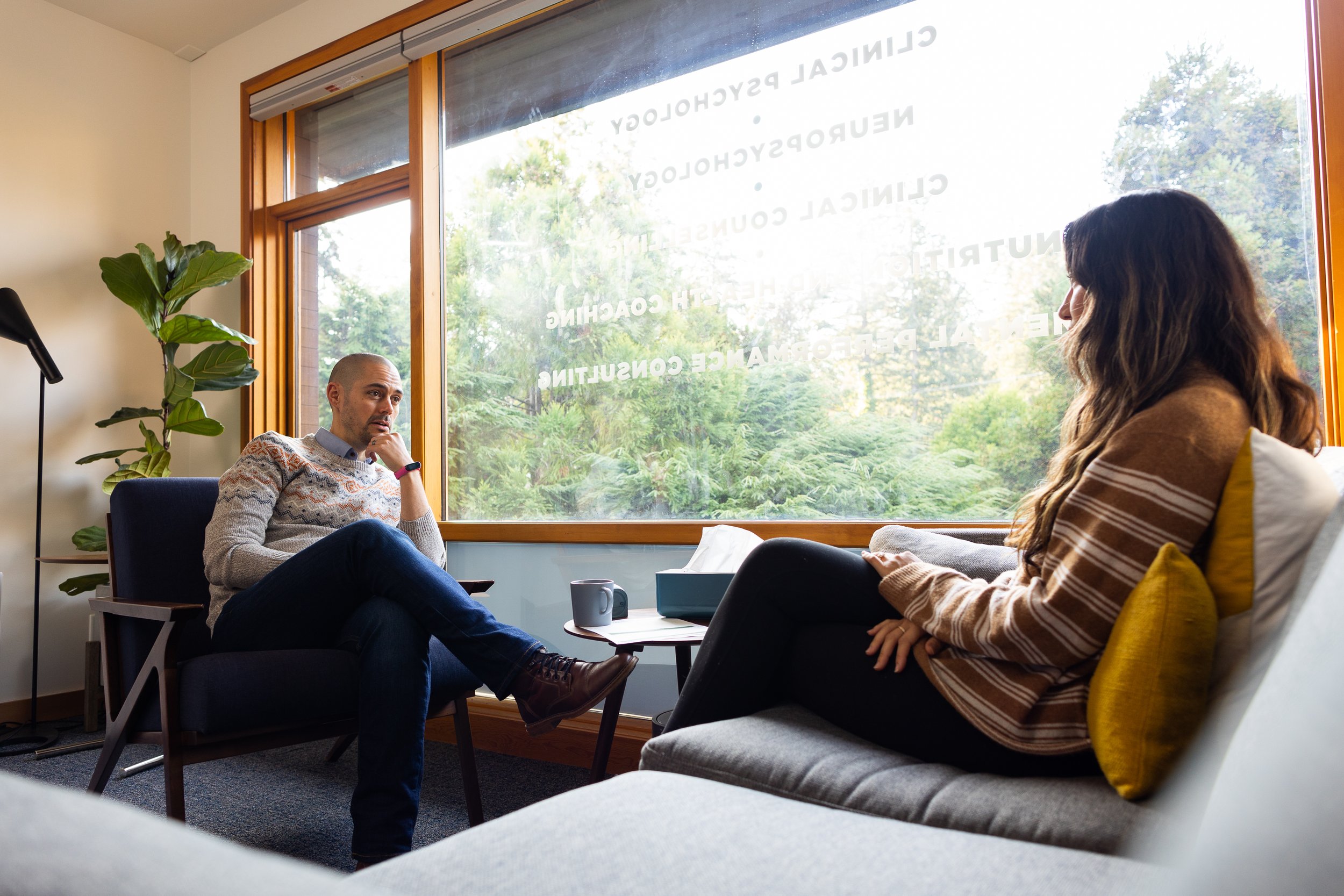
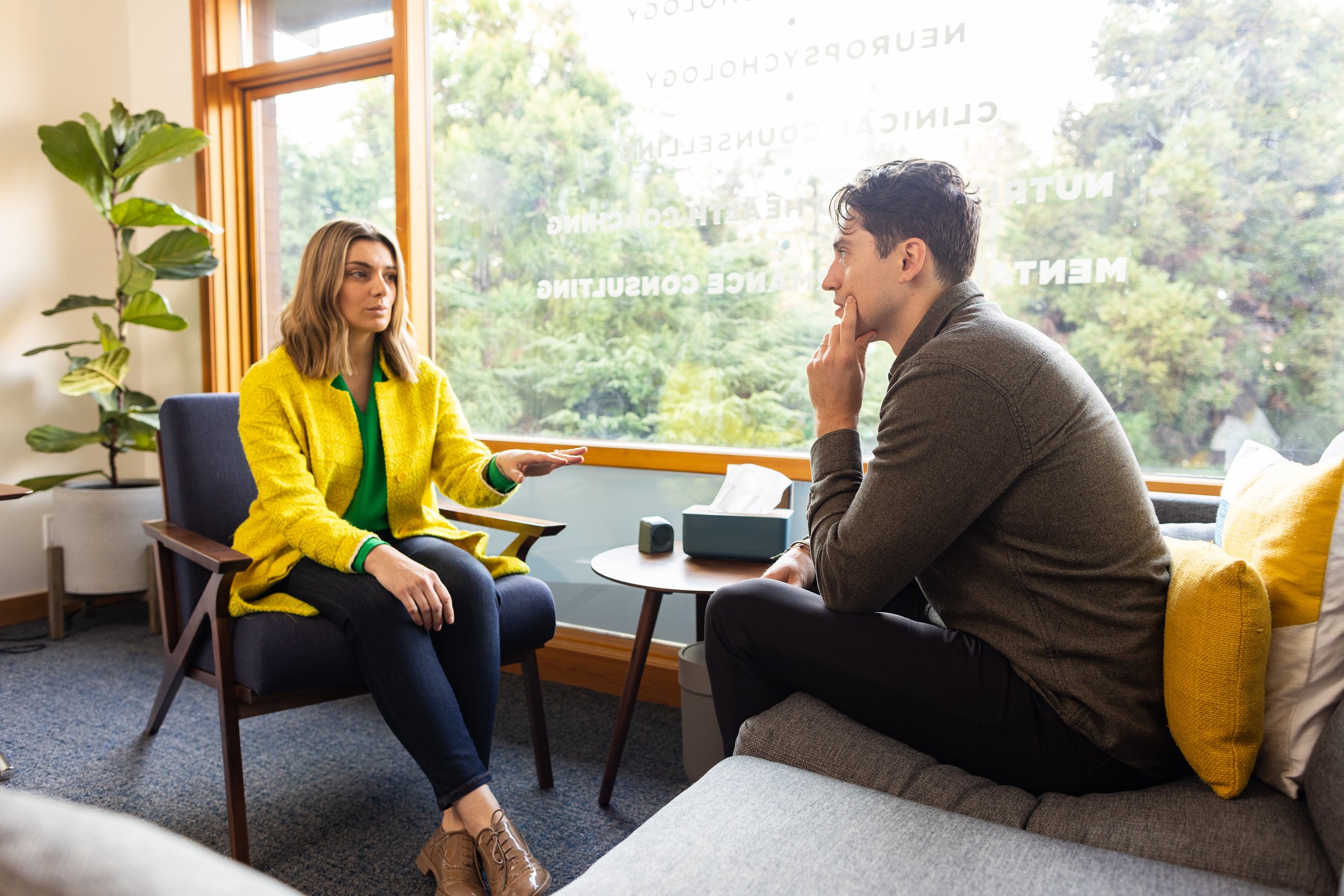
Counselling can also play an important role, especially when symptoms have disrupted someone's work, relationships or daily life. Helping people feel hopeful about recovery again is a big part of what we do.
The Future of Concussion Care at Tall Tree
As we approach ten years, we're taking another look at how we can make the program even better. We're simplifying the experience so patients can access the care they need more easily, putting more focus on measuring outcomes and incorporating the latest research into our approach. The goal is to keep improving both the care we provide and the experience patients have along the way.
There's still work to do. My goal is to help every person who comes through our doors make meaningful progress toward getting their life back. I'd also like to see continued improvements in how concussions are diagnosed, so fewer people are left without answers or receive a diagnosis that doesn't fully explain their symptoms.
What I'm proudest of is that nearly 2,000 people have now come through our concussion program. That's nearly 2,000 people we've had the opportunity to support as they worked toward getting back to the things that matter most to them. That's what it's all about!
It's also pretty cool to look back and see how far we've come. We started with a simple idea: put the evidence into practice, bring the right people together and make recovery easier for patients. Nearly ten years ago, that was a hypothesis and an open schedule. Today, it's a program that's grown from those early days into a team helping people take meaningful steps toward recovery.
If you or someone you know is recovering from a concussion, our team is here to help. Learn more about our Concussion Program and book an assessment online.

Devon Cochran, Occupational Therapist & CEO at Tall Tree Health
Devon helped establish Tall Tree's Concussion Program in 2017, bringing together an interdisciplinary team to help people recover and get back to the activities that matter most.