Health Anxiety
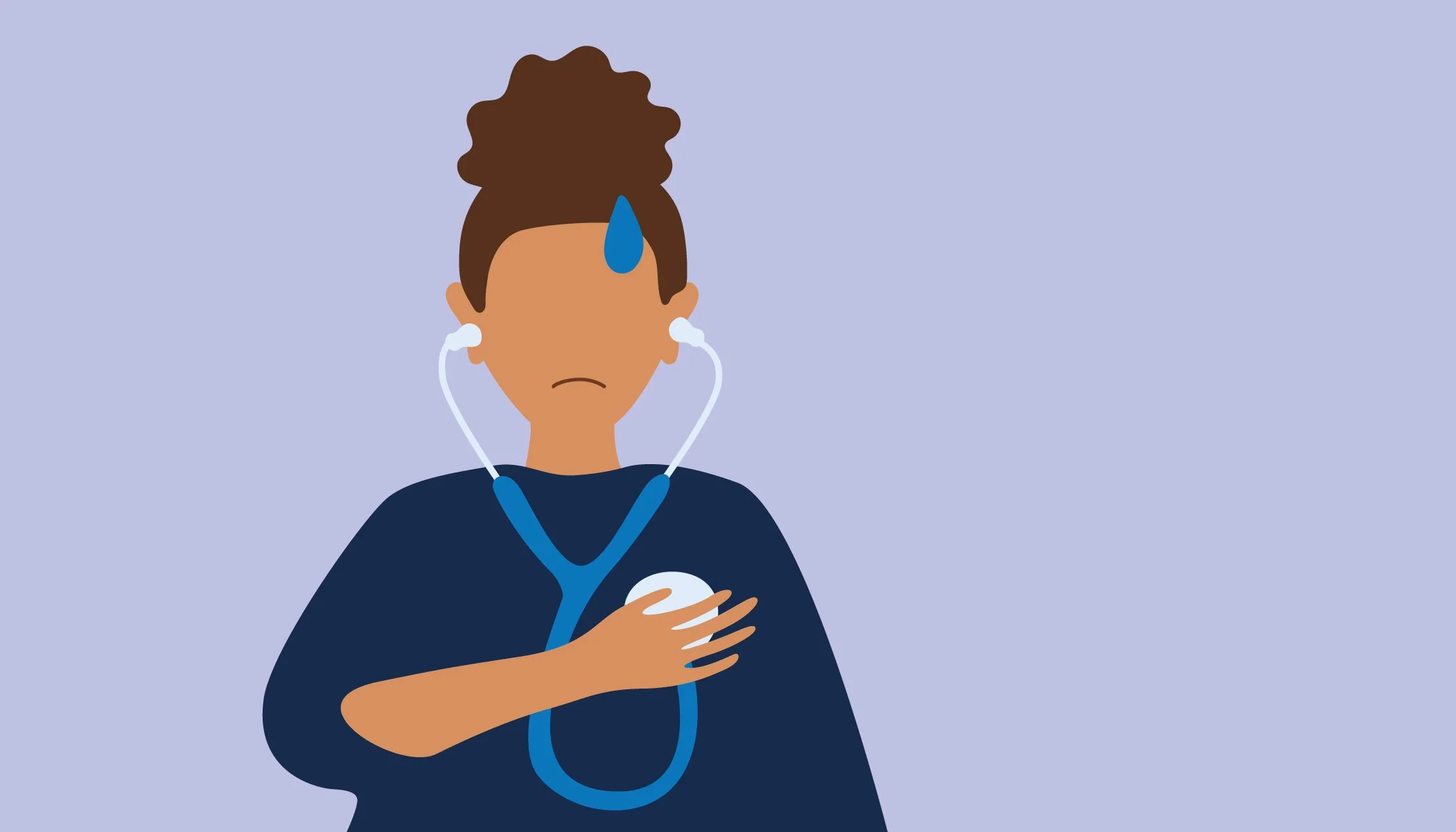
Health anxiety involves excessive worry about having — or developing — a serious medical condition. This can happen even when you’re physically healthy, have been reassured by medical providers, or have no symptoms of a serious illness. It can also happen alongside a diagnosed medical condition, when the worry becomes disproportionate or difficult to manage.
Health anxiety is less about whether symptoms exist and more about how you interpret them and how those interpretations shape your behaviour.
It’s completely normal to worry about your health once in a while. That’s part of being human. Health anxiety, however, is different — it’s persistent, overwhelming, and starts to interfere with daily life. You might notice yourself repeatedly searching symptoms online, seeking reassurance, or jumping to catastrophic conclusions at the first sign of a minor bodily sensation (a headache, an upset stomach, a moment of dizziness). These patterns can pull your attention away from meaningful activities and keep you stuck in cycles of fear and monitoring.
Importantly, health anxiety often continues even after a doctor has confirmed that everything looks healthy. The worry isn’t a reflection of your actual medical status — it’s a reflection of the anxiety itself.
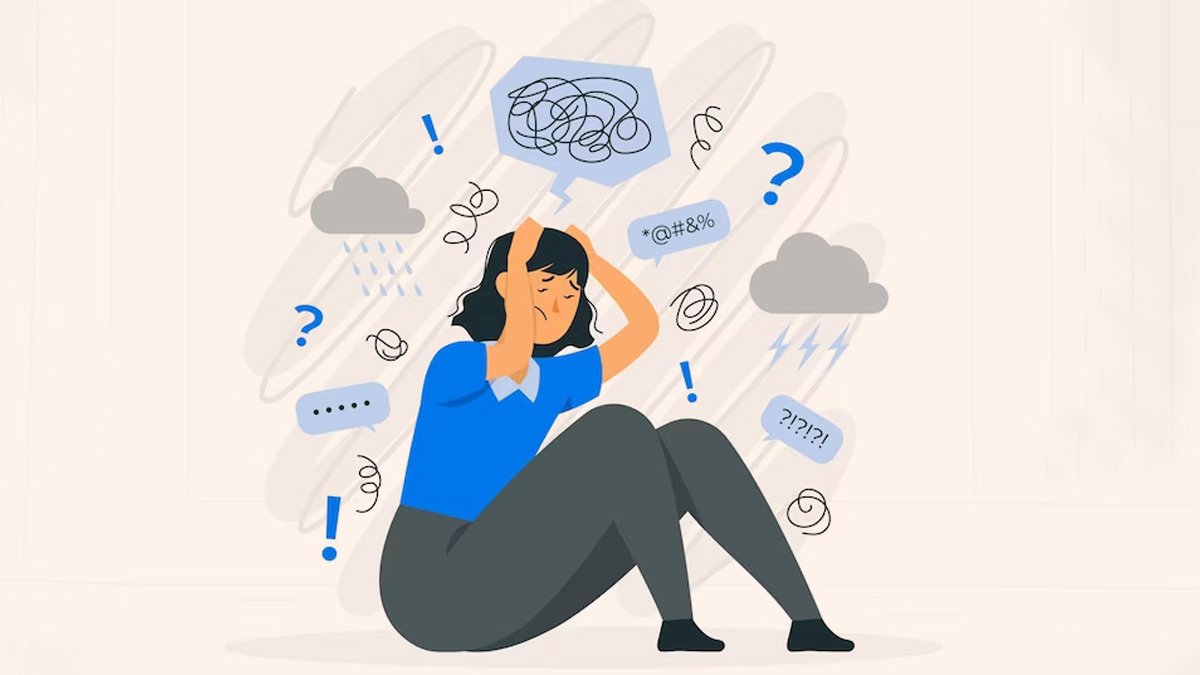
People with health anxiety often misinterpret normal or minor physical sensations as signs of something serious. Instead of thinking, “This headache is probably stress or sinus congestion,” you might jump to, “What if it’s a brain tumour?”Anxiety symptoms themselves — like dizziness, a racing heart, or chest tightness — can then make you even more worried, creating a vicious cycle.
Below are some tools for easing health anxiety and freeing up time and energy to move toward what matters to you.
1. Name the story your mind is telling
When a symptom shows up, your mind usually tells a very specific story about it:
“My heart is pounding — I’m having a heart attack.”
“My muscle is twitching — I must have ALS.”
These stories fuel anxiety.
Instead of getting hooked, pause and name what’s happening:
“That’s my anxious story.”
“That’s my anxiety talking.”
Remind yourself that just because your mind produces a story doesn’t mean the story is true. Seeing it as a story gives you more room to let it come and go.
2. Neutralize the threat by describing symptoms nonjudgmentally
Practice noticing and naming your sensations without judging them as dangerous or catastrophic:
“I’m feeling dizzy.”
“A muscle is twitching in my hand.”
“There’s pressure in my head.”
Try to leave out add-ons like, “This is horrible,” or, “This must mean something is really wrong.” Aim for simple, neutral language you can repeat.
3. Remember: Anxiety can “misfire”
Just because you feel anxious doesn’t mean you’re in danger. Anxiety sometimes sends a false alarm, telling you there is a threat when there isn’t one.
A symptom or situation can feel uncomfortable or unpleasant and still be safe. You can feel anxious and be okay.
It can help to gently remind your brain:
“This symptom is uncomfortable, and I’m safe.”
“It feels like there’s a threat, but there isn’t one here right now. I’m okay.”
4. Reduce resistance and make room for sensations
It’s natural to want to fight or fix anything unpleasant. Unfortunately, resisting symptoms and anxiety often makes them stronger.
Instead, practice allowing them to be there — even if you don’t like them. You might try:
Breathing slowly and imagining a balloon gently expanding inside you, making more space for whatever you’re feeling.
Silently saying, “Welcome, pain,” or, “Welcome, dizziness,” as you breathe, not because you enjoy it, but because you’re willing to let it be there without a fight.
5. Step back from monitoring and reassurance-seeking
Health anxiety thrives on constant checking and reassurance.
Try to:
Reduce body scanning. When you catch yourself searching for new symptoms, gently shift your attention to something outside your body — name all the blue objects in the room, return to a work task, or focus on a conversation.
Limit reassurance-seeking. This includes repeatedly googling symptoms, contacting health professionals for the same concern, or asking loved ones over and over if they think you’re okay. These behaviours may briefly lower anxiety but keep the cycle going.
You might find it helpful to make a list of enjoyable or values-based activities that feel meaningful to you. When the urge to check or seek reassurance shows up, choose one item on the list and gently redirect your attention there instead.

One way to practice this “making space” approach is to breathe slowly and imagine a balloon gently inflating inside your body — creating more room for whatever you’re feeling. You can also soften your resistance by quietly “welcoming” sensations as they arise. As you inhale, you might say, “Welcome, pain,” or “Welcome, tightness,” not because you enjoy the sensation, but because you’re allowing it to be present without a fight.
Another important step is to reduce symptom monitoring and reassurance-seeking. When you’re anxious, it’s easy to become hyper-focused on every physical sensation, scanning your body for possible problems. As tempting as it is, this habit keeps anxiety alive. Instead, try shifting your attention outward — name all the blue objects in the room, return your focus to a task, or fully engage in a conversation with someone.
It’s also helpful to limit reassurance-seeking behaviours such as repeatedly googling symptoms, contacting medical providers for the same concern, or asking loved ones over and over if they think something is wrong. These behaviours can temporarily relieve anxiety, but they ultimately strengthen the anxiety cycle.
You might find it useful to create a list of enjoyable, meaningful, or values-based activities — things that feel worthwhile to you. When the urge to scan your body or seek reassurance shows up, choose one item from that list and gently redirect your attention there instead.

Dr. Jennifer Caspari, Registered Psychologist
RELATED POSTS