

Healthcare that cares for people - and the PLanet
Sustainability
Providing great healthcare means thinking beyond today's appointment. We're committed to reducing our environmental impact, making thoughtful decisions about how we operate, and continually improving the way we care for our patients, our community, and the environment.
Better healthcare includes better stewardship.
Healthcare has an environmental footprint. While we can't eliminate it, we believe we have a responsibility to understand it, reduce it where we can, and continually look for better ways to operate.
That's why we've adopted a circular economy approach. One that focuses on reducing waste, using resources more thoughtfully, and making practical improvements that benefit both our patients and our community.
We don't see sustainability as a finish line. It's an ongoing process of learning, measuring, and improving.
How we're putting sustainability into practice
-
We've significantly reduced paper use by making electronic communication our default.
Digital intake forms
Double-sided printing
Electronic year-end statements
Paperless payment receipts where possible
Paper copies are still available whenever patients prefer them.
-
Small operational changes add up.
We've introduced initiatives that make it easier for both our team and our patients to reduce waste, including:
Waste audits to better understand what we're throwing away
Composting and recycling stations
Reusable mugs for tea and coffee
Recycling programs for hard-to-recycle materials
Donating retired supplies whenever possible
These changes help divert more waste from landfill while making sustainable choices easier in everyday practice.
-
We're gradually improving the products we purchase by looking for options that reduce waste, minimize packaging, and support healthier indoor environments.
Examples include:
Refillable cleaning products
Fragrance-free cleaning supplies
Recycled office products
Purchasing durable items whenever possible
Supporting local and Canadian suppliers where appropriate
-
Many of our clinics include features designed to reduce everyday resource consumption.
These include:
Low-flow plumbing fixtures
Water dispensers connected directly to plumbing
Energy-efficient appliances
Motion-sensor lighting
Rainwater collection systems
Natural daylight design
These features help reduce both water and energy use without affecting the care we provide.
-
Our Green Leaders help keep sustainability part of everyday life at Tall Tree. They bring teams together around sustainability goals, share best practices, monitor our progress, and help lead initiatives that reduce our environmental impact across our clinics.
Measuring what matters
Understanding our impact is the first step toward reducing it.
To better understand our environmental impact, we completed a Circularity Assessment with the Synergy Foundation. The assessment evaluates how organizations reduce waste, conserve resources, and apply circular economy principles across their operations.
Our Cordova Bay clinic received an initial Circularity Score of 50%. We don't see that as a grade, we see it as a benchmark. It gives us a clear starting point, helps us identify opportunities to improve, and allows us to measure our progress over time.
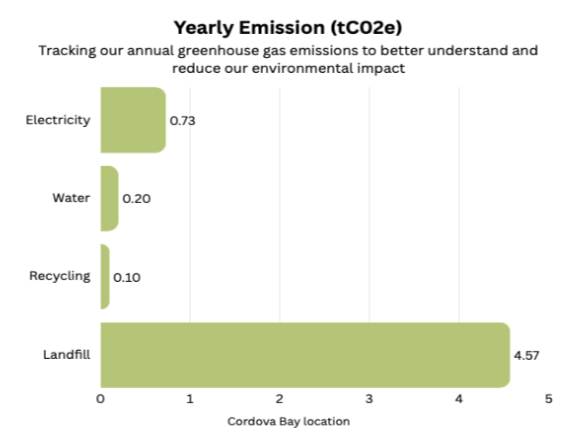
Sustainability in our clinics
Cordova Bay, Victoria
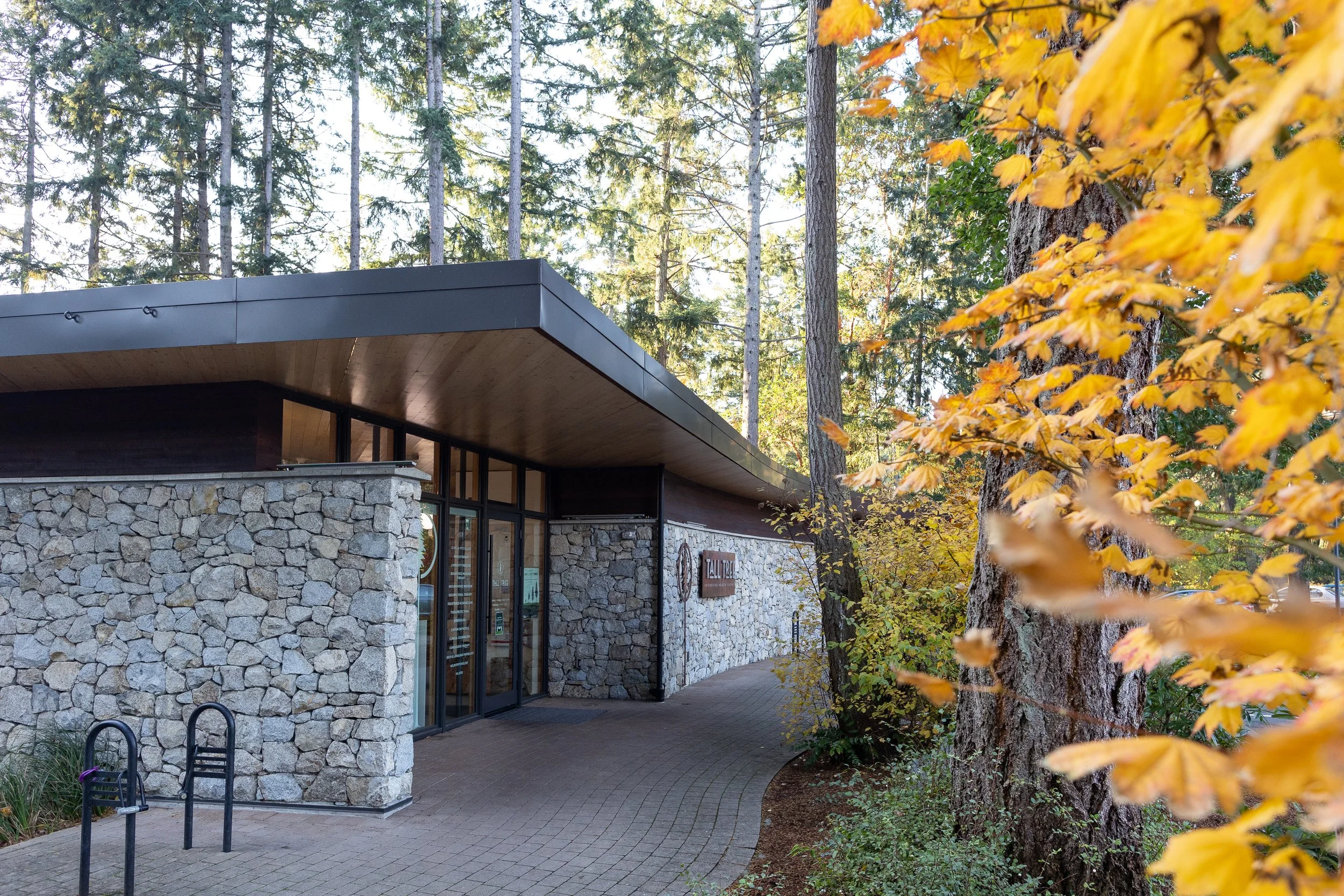
Our Cordova Bay clinic was designed with sustainability in mind.
-
Cross-laminated timber (CLT) construction using locally harvested BC wood
Building placement that minimized disturbance to the surrounding landscape
Salvaging mature trees and plants during construction
Energy-efficient systems throughout the clinic
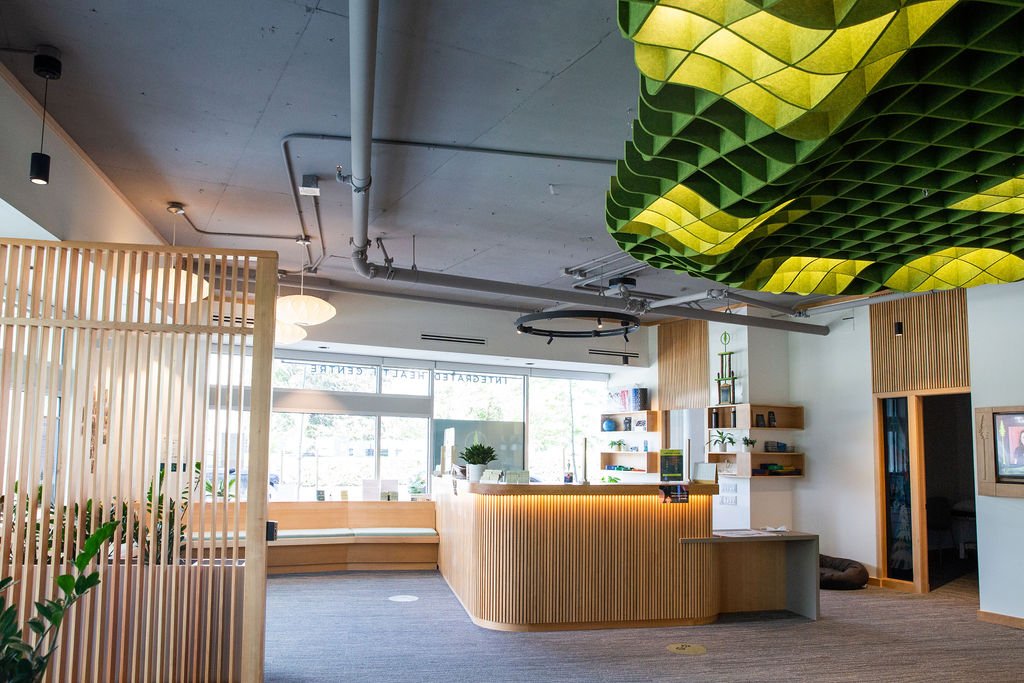
Our James Bay clinic operates in a LEED Platinum Certified building designed to reduce environmental impact.
James Bay, Victoria
-
Highlights include:
Motion-sensor lighting
Extensive natural daylight
Rainwater collection for irrigation
Rooftop rain garden
Local plant partnership
Water-efficient fixtures
Together, these features help reduce energy use while creating a welcoming environment for patients and staff.
Where we're headed
Sustainability isn't a project with a finish line. It's an ongoing commitment to learning, improving, and making thoughtful decisions over time.
While we're proud of the progress we've made, we know there's always more we can do. Guided by our Circularity Assessment and the feedback we continue to gather, we're focused on finding practical ways to reduce our environmental impact while continuing to provide exceptional patient care. While many of our sustainability efforts happen inside our clinics, we also believe in supporting the health of the ecosystems our communities depend on.
-
We're continuing to improve how waste is managed across our clinics by expanding recycling and composting programs, exploring lower-waste tea and coffee options, and finding new ways to divert materials from landfill. Small operational changes can have a meaningful impact over time, and we're committed to continually looking for opportunities to reduce waste.
-
The products we purchase are an important part of our environmental footprint.
We're strengthening our purchasing practices by choosing durable products where possible, buying in bulk to reduce packaging, supporting local and Canadian suppliers, and prioritizing products with recognized environmental certifications. Every purchasing decision is another opportunity to make a positive impact.
-
Microplastics are an emerging environmental challenge, and we're exploring ways to reduce our contribution.
This includes transitioning to more natural or recycled textiles where appropriate, installing microfiber filters on laundry equipment, and considering lower-impact alternatives that reduce microplastic pollution throughout the lifecycle of our products.
-
Longevity medicine is not covered by BC medical (MSP), as its focus is on preventative treatment rather than reactive. However, it may be covered under your extended health benefits such as a Health spending account. If you'd like more information on coverage, please don't hesitate to reach out!
OUR COMMUNITY PARTNERSHIP
Restoring healthier ecosystems, together.
Looking forward
Sustainability isn't something we'll ever consider "finished."
As healthcare evolves, so will the way we think about our environmental impact. We'll continue measuring our progress, learning from new evidence, and looking for practical ways to reduce waste, conserve resources, and support healthier communities.
Some changes will be large, while others may be small improvements made over time. Together, they help us move toward a more sustainable future, one thoughtful decision at a time.

FAQs
-
A circular economy focuses on reducing waste by using resources more efficiently, extending the life of products where possible, and continually improving how materials are used throughout an organization.
-
Healthcare relies on energy, water, materials, and supplies every day. We believe reducing unnecessary waste helps support healthier communities while maintaining the high standard of care our patients expect.
-
We wanted to better understand our environmental impact and identify meaningful opportunities for improvement. Measuring our current practices helps us make better decisions and track our progress over time.
-
No. Sustainability is an ongoing commitment. We'll continue reviewing our practices, measuring our progress, and looking for new opportunities to improve as we grow.
-
There are lots of simple ways to help. Completing digital intake forms, choosing electronic receipts when available, bringing a reusable water bottle or coffee mug, and participating in community initiatives like the Tall Tree 10K all contribute to a more sustainable future.