Ozempic & Friends: What You Should Know About GLP-1 Inhibitors

If you've been hearing about Ozempic recently, you're not alone. But what exactly are these medications, and why all the attention? Here's what you should know.
What are GLP-1 inhibitors?
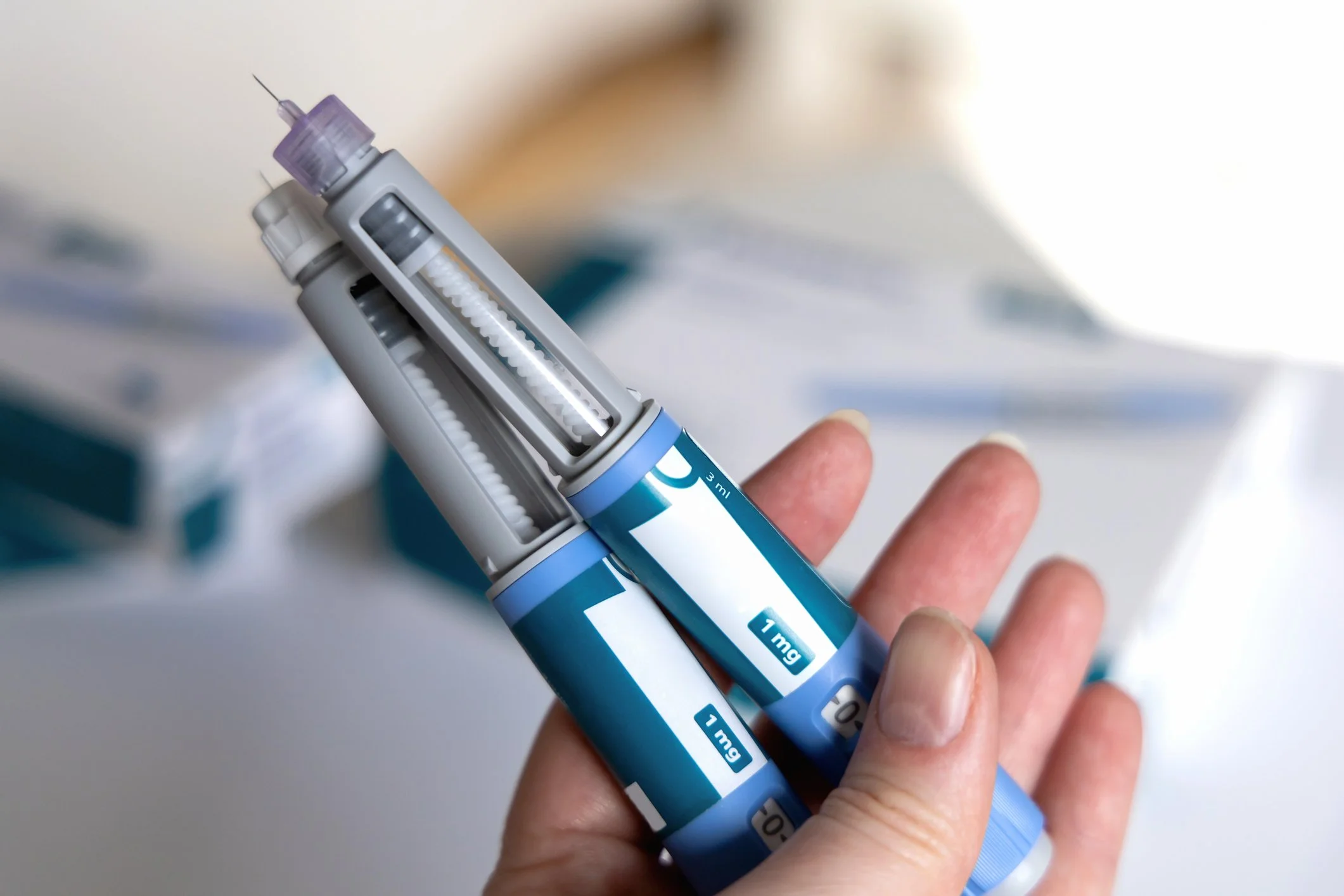
GLP-1 inhibitors (like Ozempic, Wegovy, or Saxenda) were initially created to help manage blood sugar levels in people with diabetes. GLP-1 stands for Glucagon-Like Peptide-1, a hormone naturally produced in your gut. These medications mimic GLP-1, helping your body better regulate blood sugar and control appetite, often leading to significant weight loss.
Why are GLP-1 inhibitors so popular?
Primarily, these medications have become popular because they can effectively support weight loss. Studies have shown GLP-1 inhibitors like semaglutide (the active ingredient in Ozempic) can help people lose about 15% of their body weight, significantly more than with diet and exercise alone. For someone weighing 200 pounds, that's roughly a 30-pound weight reduction.
Besides weight loss, GLP-1 medications can:
Lower blood sugar
Improve cholesterol levels
Reduce heart attack risk in people with type 2 diabetes

What are the common side effects?
Like any medication, GLP-1 inhibitors can cause side effects, most commonly:
Nausea (often improves after a few weeks)
Constipation or diarrhea
Bloating or gas
Usually, these symptoms improve with dietary adjustments, such as smaller and lighter meals.
Are there serious risks?
While rare, serious side effects include:
Pancreatitis (inflammation of the pancreas)—important to disclose if you have a history of this.
Thyroid tumors (seen only in animal studies)—these medications aren't advised if there's a personal or family history of certain thyroid cancers.
Gallbladder disease—uncommon, but watch for symptoms like severe stomach pain.
It's essential to discuss your medical history with your healthcare provider to determine if GLP-1 inhibitors are appropriate for you.
Ozempic vs. Wegovy vs. Saxenda—what's the difference?
All three medications belong to the GLP-1 inhibitor family but differ slightly:
Ozempic (semaglutide): Weekly injection, approved primarily for diabetes but frequently used off-label for weight loss.
Wegovy (semaglutide): Specifically approved for weight loss; same active ingredient as Ozempic but at a higher dose.
Saxenda (liraglutide): Daily injection; slightly less effective for weight loss compared to Ozempic.

Are these medications a long-term solution?
GLP-1 inhibitors aren't magic. They're most effective when combined with ongoing lifestyle changes, including healthy eating, regular physical activity, and adequate sleep. Think of them as helpful tools that support and enhance your efforts.
What's next in GLP-1 research?
Research continues to advance, with next-generation medications like tirzepatide (Zepbound) promising even more significant results, with some individuals in trials achieving around 25% body weight loss.
Is Ozempic right for me?
GLP-1 inhibitors might be a suitable option if:
You've struggled to manage your weight despite healthy lifestyle habits.
You have type 2 diabetes or prediabetes and find it challenging to maintain healthy blood sugar levels.
Always consult your healthcare provider to understand if these treatments align with your specific health needs.
Bottom Line: GLP-1 inhibitors like Ozempic can be effective in achieving health goals when used as part of a comprehensive lifestyle approach.
Interested in learning more?
Reach out to our team at Tall Tree—we're here to support your health journey.
Book a consultation today!
For more tips and resources on Longevity, check out these posts: