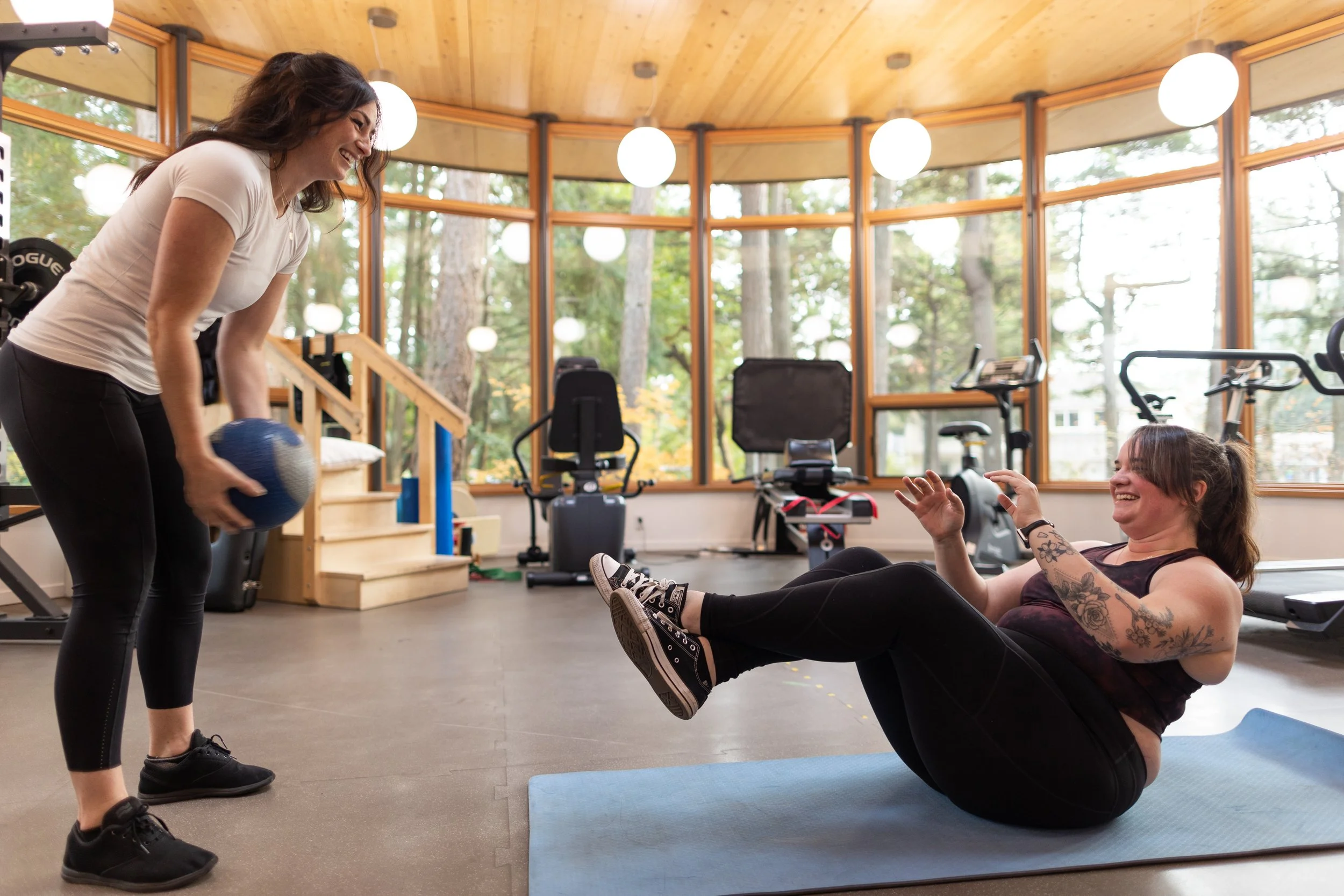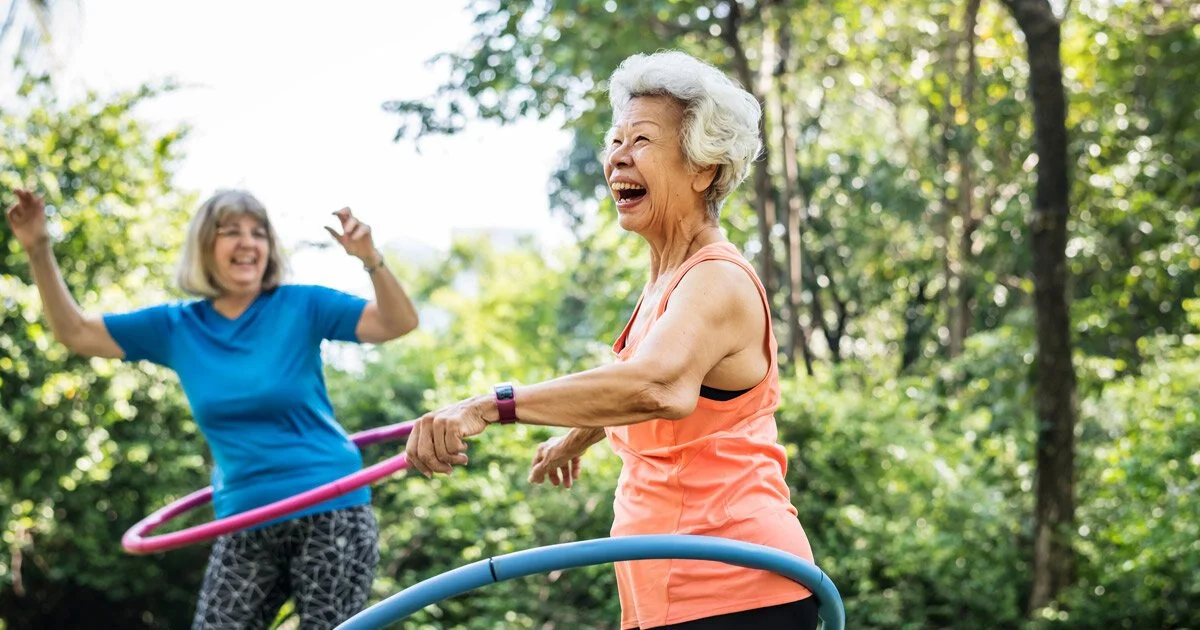

At Tall Tree, we believe that how you move through life matters—literally. As research continues to uncover the mechanisms behind healthy aging, one theme consistently rises to the top: regular, structured physical activity isn't just good for your muscles or heart—it's vital for keeping your immune system in check.
A recent systematic review published in Sports Medicine (2025) sheds new light on how lifelong exercise can influence a silent but powerful driver of age-related disease: low-grade chronic inflammation, also known as "inflammaging."
Master Athletes vs. the Rest of Us
The study looked at a group of people known as Master athletes—men and women over 35 who have trained and competed consistently for over a decade. These individuals were compared to untrained middle-aged and older adults, as well as to younger people who hadn’t adopted regular training habits.
What the researchers found was compelling. Master athletes had significantly lower levels of inflammatory markers, including C-reactive protein (CRP) and higher levels of IL-10, an anti-inflammatory cytokine. This pattern suggests that staying active over a lifetime helps the body maintain a healthier, more balanced immune response—one that more closely resembles that of younger adults.
But—and this is crucial—the benefits weren’t bulletproof.
The Detraining Dilemma
The study highlighted that the anti-inflammatory advantages of long-term exercise can quickly vanish with detraining. Even short periods without structured physical activity were enough to cause certain inflammatory markers, like IL-6, to rise again. That’s right: consistency isn’t just beneficial—it’s essential.
In other words, exercise acts like a dial on inflammation—not a switch. Turn it down with consistent effort, and you feel better and age better. Stop moving, and the dial creeps right back up.
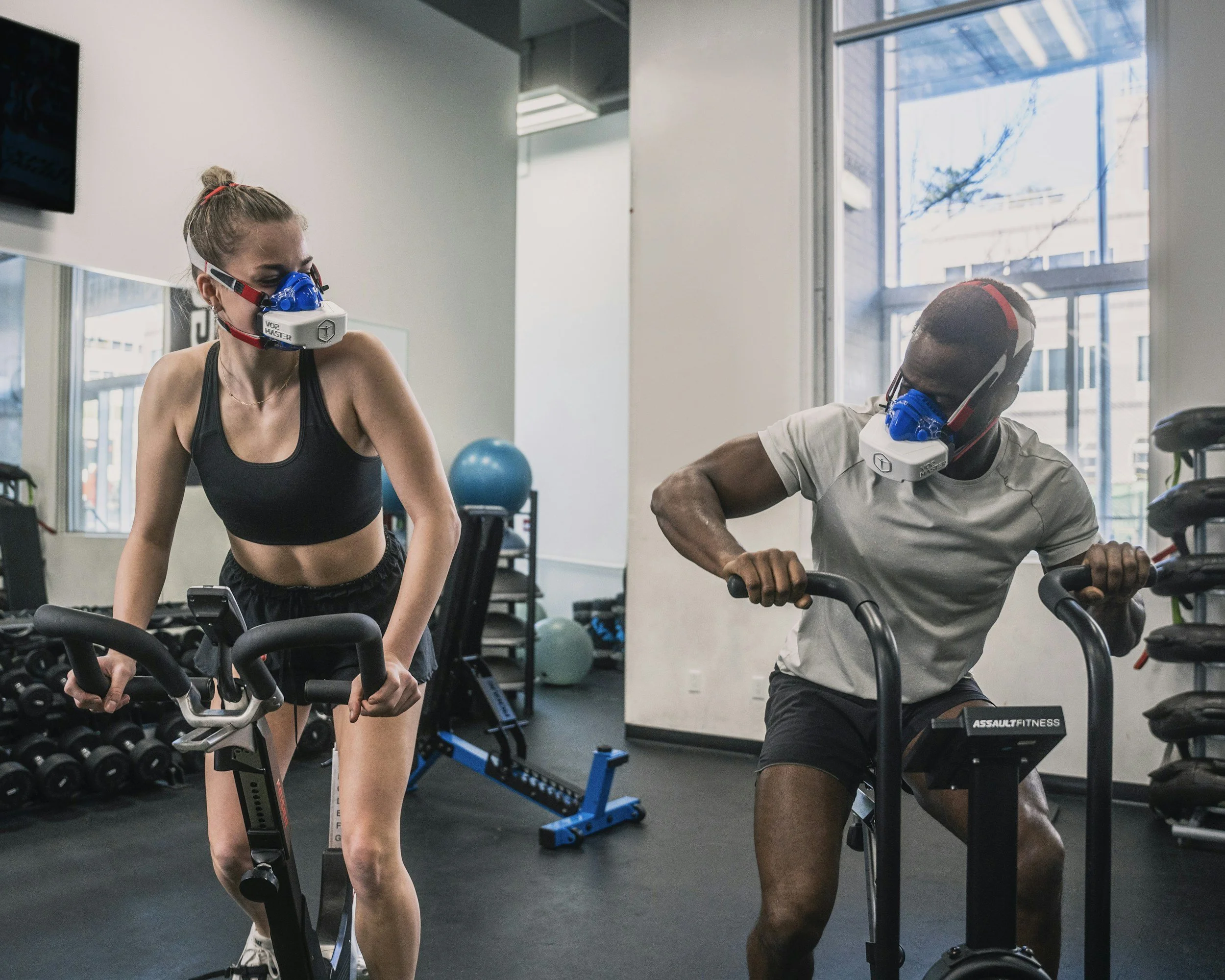
Why We Test VO₂ Max at Tall Tree
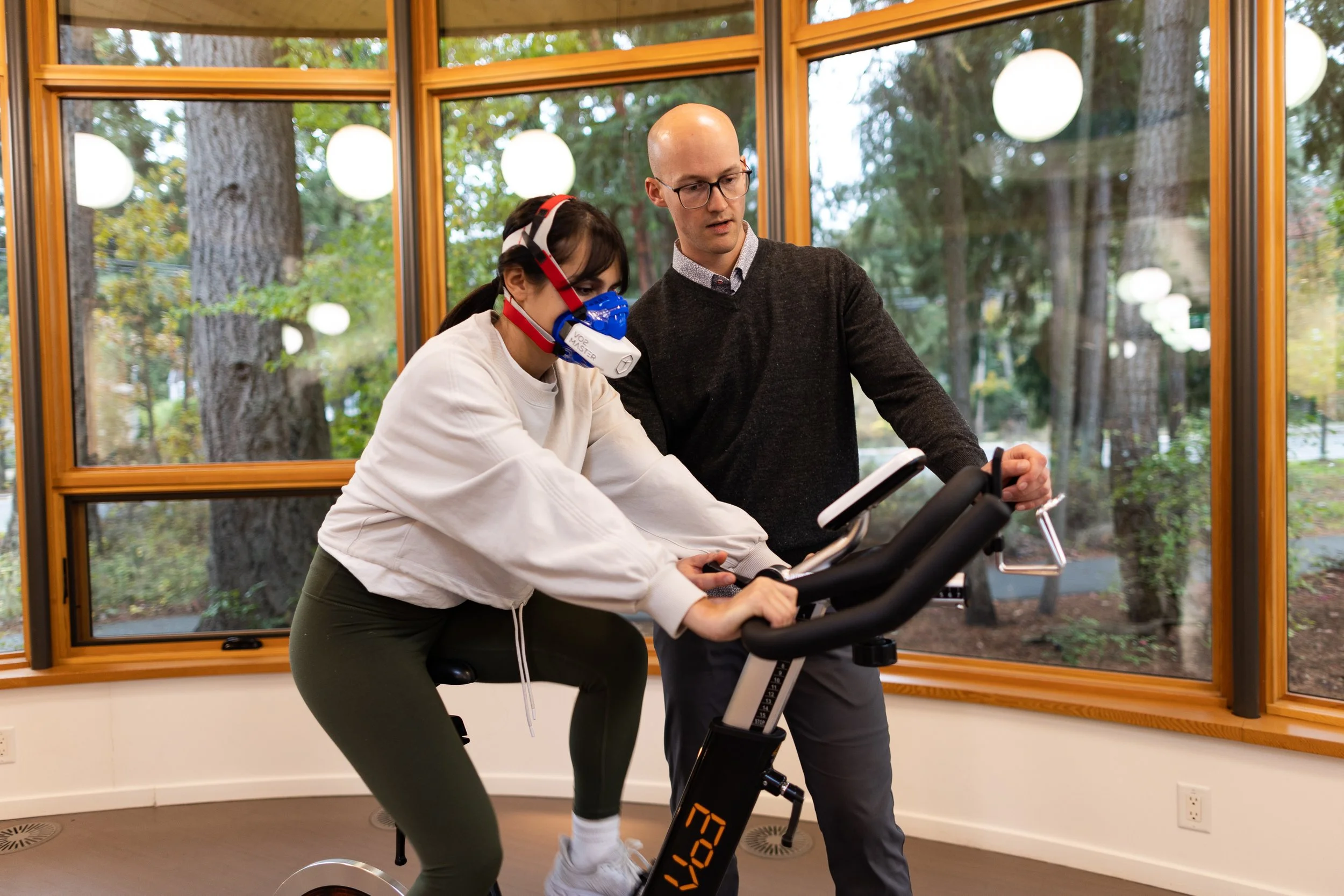
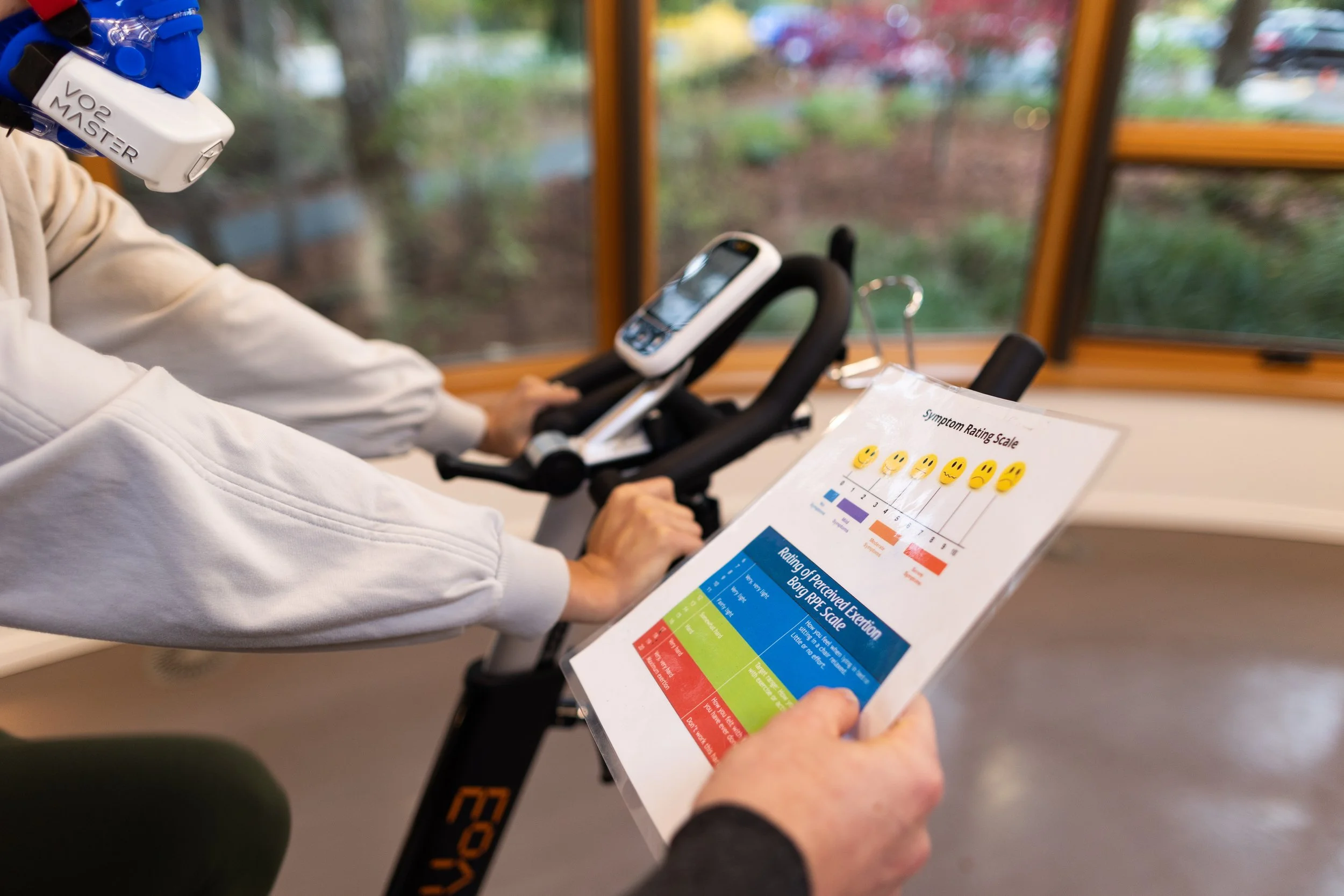
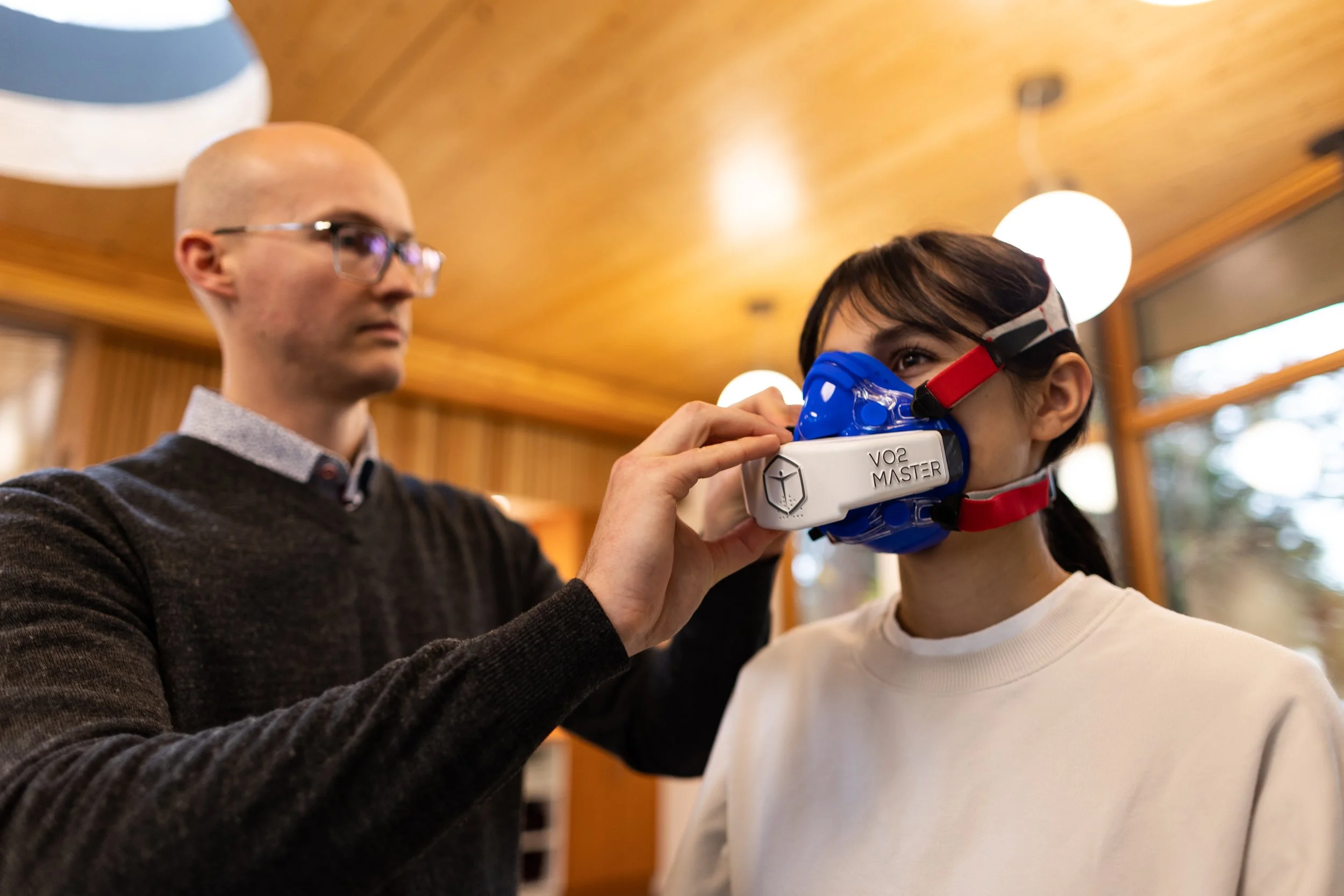
This is where assessments like VO₂ max testing come into play. VO₂ max is a powerful, objective measure of cardiovascular fitness and aerobic capacity. At Tall Tree, we use it to not only guide training programs but also to track how well your body is handling—and adapting to—exercise over time.
For those looking to build lifelong habits, seeing improvements in VO₂ max can be an excellent motivator. And as the research suggests, keeping your fitness level high isn't just about performance—it's about keeping inflammation low and quality of life high.
The Takeaway
Exercise isn’t a one-and-done deal—it’s a lifelong prescription. And while the evidence shows that it does reduce inflammation, the catch is that you must keep doing it. Lifelong consistency is what matters most. If you stop, the benefits start to fade. But if you continue, you’re investing in a body that stays more resilient, less inflamed, and better equipped to age well.
At Tall Tree, we’re here to support that journey—with tools, testing, and guidance designed to keep you training smart, staying strong, and aging powerfully.
Anneke Winegarden
Msc & Certified Exercise Physiologist
Ready to Book Your VO₂ Max Test?
This test measures how efficiently your body uses oxygen during exercise—giving you real insight into your cardiovascular fitness, longevity, and recovery. It’s the gold standard for personalized training and healthy aging.
Book your VO₂ max test today and take the guesswork out of your fitness journey.
For more tips and resources on Longevity, check out these posts: