What Is Sleep Pressure? (And How to Build More of It for Better Rest)
Why Movement, Wake Time, and Even Caffeine Timing Matter More Than You Think
Have you ever had a night where you knew you needed sleep, but just couldn’t drift off? It’s entirely possible that your sleep pressure wasn’t high enough.
Sleep pressure is one of the most important (and misunderstood) parts of your body’s sleep system. In this post, we’ll explain what it is, how to build it, and what might be getting in the way.
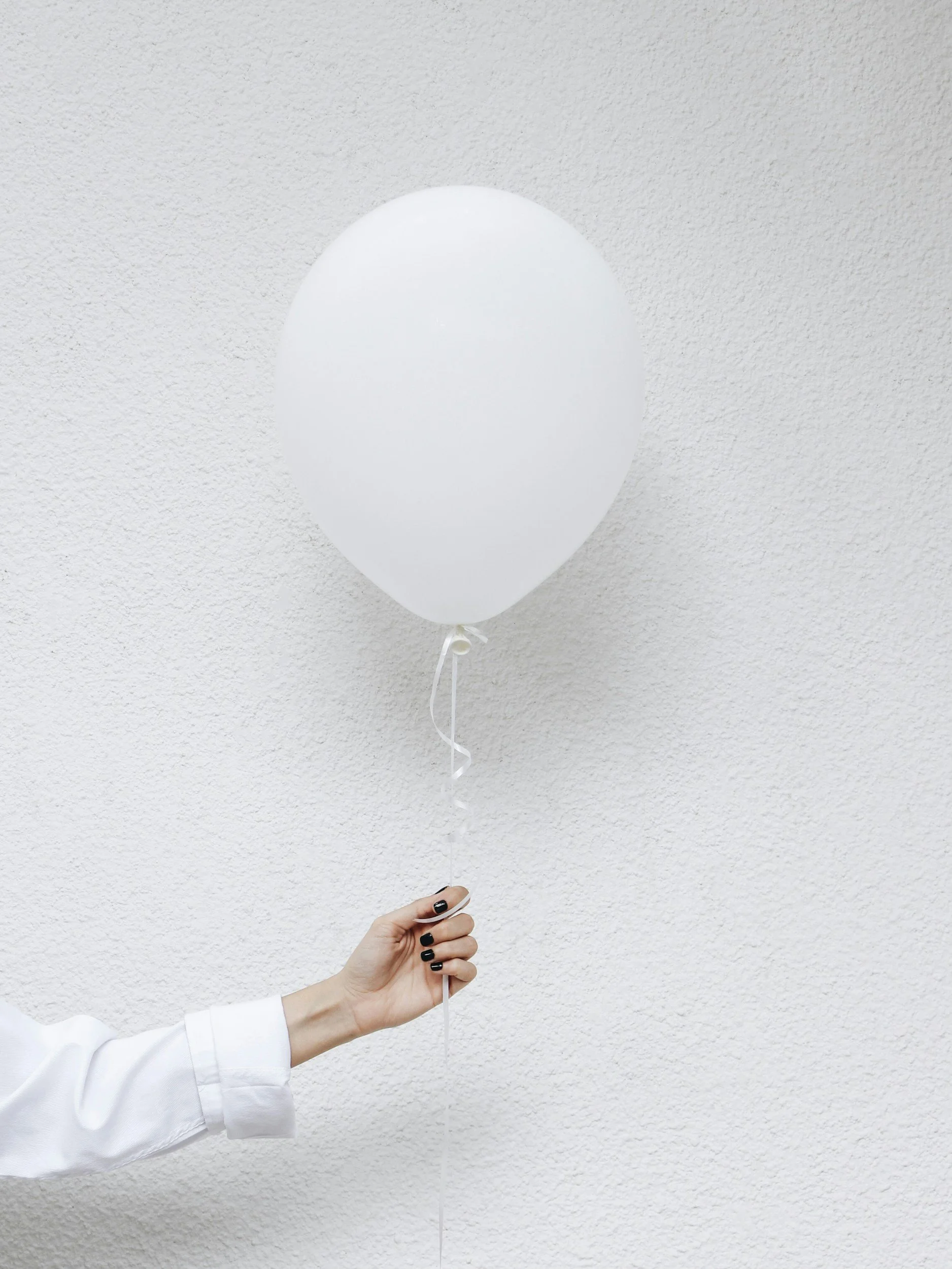
Sleep pressure builds the longer you're awake—like air filling a balloon—making it easier to fall asleep at night.
What Is Sleep Pressure?
Sleep pressure refers to the biological drive to fall asleep the longer you stay awake. It's regulated by a substance called adenosine, which builds up in your brain throughout the day. The longer you’re awake, the more adenosine accumulates—and the stronger your urge to sleep becomes.
🟡 Think of It Like a Balloon
Imagine your sleep pressure like a balloon slowly inflating throughout the day. The fuller it gets, the more likely you are to drift off easily and stay asleep. If that balloon doesn’t fill enough by bedtime—because of inactivity, naps, or too much caffeine—it may be harder to fall or stay asleep.
What Builds Sleep Pressure?
Several things can help fill that balloon and support deeper, more restorative sleep:
✅ 1. Time Awake
The longer you’ve been awake (ideally 16+ hours), the more adenosine accumulates. This is why consistent wake-up times matter—sleeping in or napping too late in the day can reduce the sleep drive by bedtime.
✅ 2. Physical Activity
Even low- to moderate-intensity movement like walking or yoga increases adenosine production, helping you feel sleepier later.
A 2013 meta-analysis found that regular physical activity improves sleep quality and efficiency—especially when done earlier in the day (Kredlow et al., 2015).
🕒 But timing matters: Exercising too close to bedtime—especially if it's intense—can leave your body and brain too alert to fall asleep easily. Try to finish workouts at least 1–2 hours before bed.
✅ 3. Morning Light
Light exposure early in the day helps lock in your wake time, which in turn helps anchor your sleep pressure cycle. When you consistently wake at the same time and get sunlight, your balloon starts filling at the right hour.
✅ 4. Caffeine Timing
Sleep pressure builds the longer you're awake—like air filling a balloon—making it easier to fall asleep at night.
Caffeine temporarily blocks adenosine receptors, which is why it helps you stay alert. But if consumed too late in the day, it can interfere with the buildup of sleep pressure and delay sleep onset (Clark & Landolt, 2017).
A good rule: stop caffeine about 6–8 hours before bedtime. Since caffeine’s half-life can be over 9 hours in people with slower metabolisms, we usually recommend no caffeine after lunch if you have sleep issues.
✅ 5. Mental Activity & Engagement
Engaging with people, solving problems, or learning something new can help build sleep pressure. A mentally stimulating day often leads to deeper rest—especially when paired with movement and time outside.
🕒 But timing matters: Avoid intense mental activity too close to bedtime, as it can leave your brain feeling alert when it should be winding down. Aim to wrap up stimulating tasks at least an hour before sleep.
What Lowers Sleep Pressure?
Late naps (especially over 30 minutes)
Inactivity or lying in bed for long periods during the day
Sleeping in on weekends, which shortens your wake window
Evening caffeine or stimulants
These factors can make it harder to fall asleep at night or lead to fragmented sleep.
The Takeaway
Sleep pressure is a natural, buildable force that helps your brain and body rest when the time is right.
You can support it by:
Waking up at the same time daily
Getting outside in the morning
Moving your body (even a little!)
Limiting late caffeine later in the day and naps longer than 30 minutes.
If you’re joining our Better Sleep in 4 Weeks challenge, Habit #3 is all about building sleep pressure through daily movement. It’s one of the best ways to fill that balloon and get the deep, satisfying rest your body needs.
📚 References:
Kredlow, M. A., Capozzoli, M. C., Hearon, B. A., Calkins, A. W., & Otto, M. W. (2015). The effects of physical activity on sleep: a meta-analytic review. Journal of Behavioral Medicine, 38(3), 427–449. https://doi.org/10.1007/s10865-015-9617-6
Clark, I., & Landolt, H. P. (2017). Coffee, caffeine, and sleep: A systematic review of epidemiological studies and randomized controlled trials. Sleep Medicine Reviews, 31, 70–78. https://doi.org/10.1016/j.smrv.2016.01.006

Dr. Jo Epping-Jordan, Registered Psychologist
RELATED POSTS