Can I Run After Having a Baby?
A guide to safely returning to running after giving birth
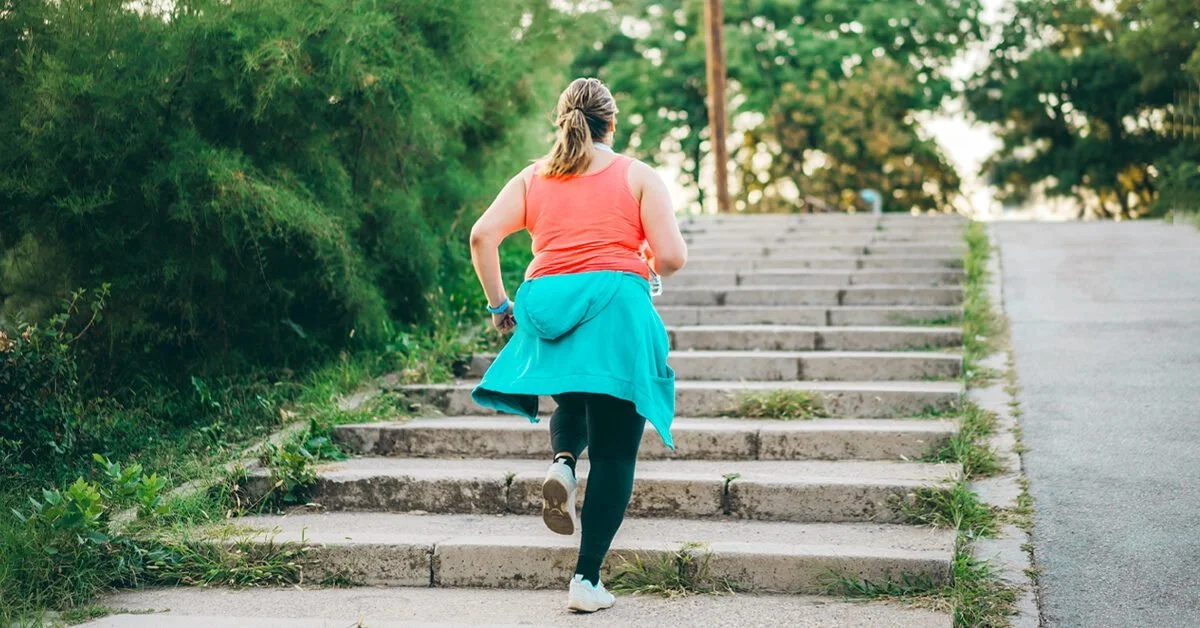
🏃♀️ You just had a baby. Your body is healing, your hands are full—and somewhere in the back of your mind, you’re wondering: “Can I start running again?”
Let’s talk about it—clearly, confidently, and with care.
The Short Answer
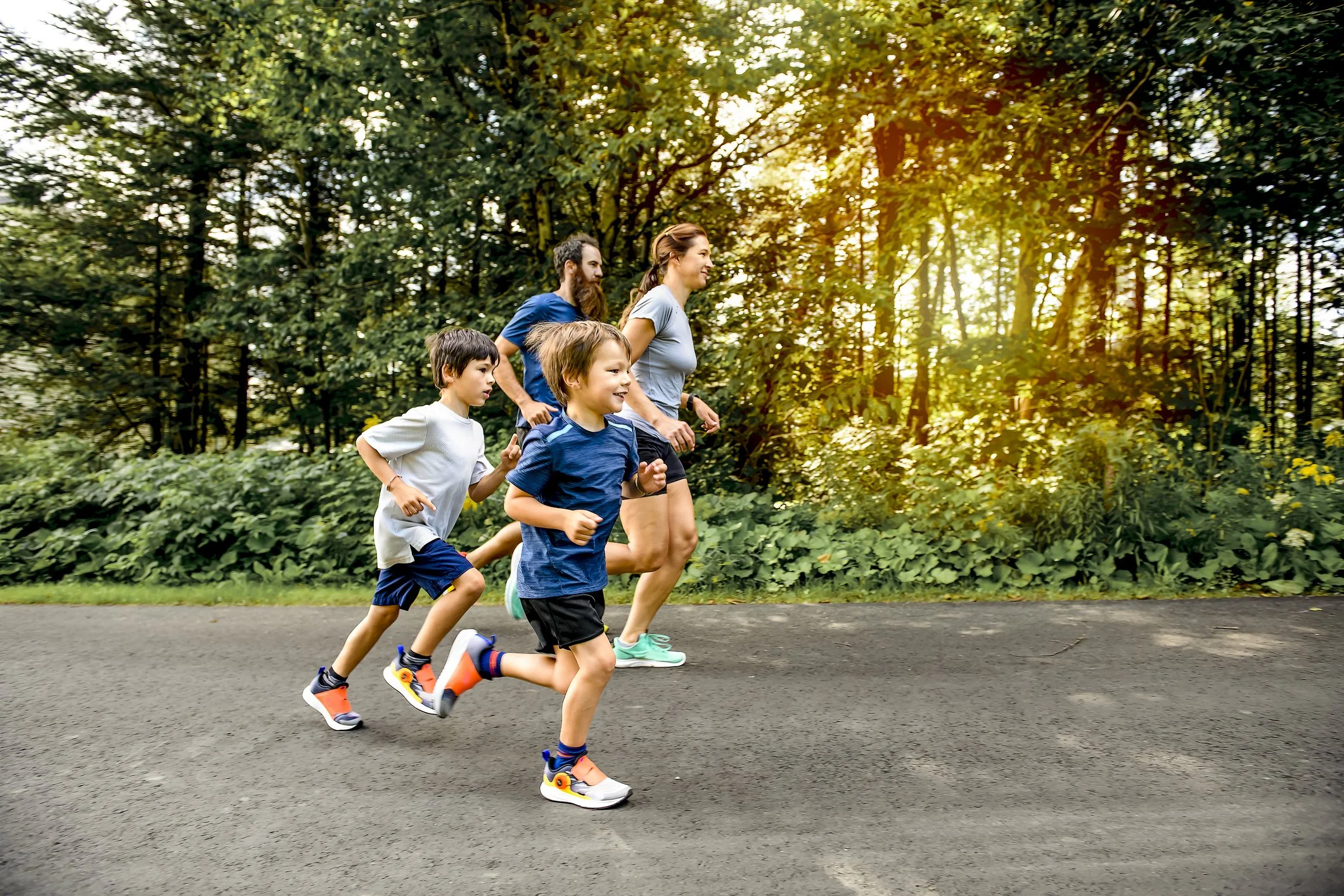
Yes, you can return to running after pregnancy—but when and how you do it matters. Current best practice recommends waiting at least 12 weeks postpartum and progressing gradually from there. This gives your body time to recover and helps reduce the risk of issues like pelvic floor dysfunction or injury.
If you want to deep dive, check out this research summary of knowns, unknowns, and recommendations.

“12 weeks after having your baby is generally a good time to start considering getting back into running.”
The Long Answer: Why its Recommended to Wait 3 Months
Running is a high-impact sport that places significant load on the body—especially the pelvic floor, abdominal wall, and connective tissues that were stretched and strained during pregnancy and delivery.
Studies show that:
Ground reaction forces during running are 1.6–2.5x your body weight
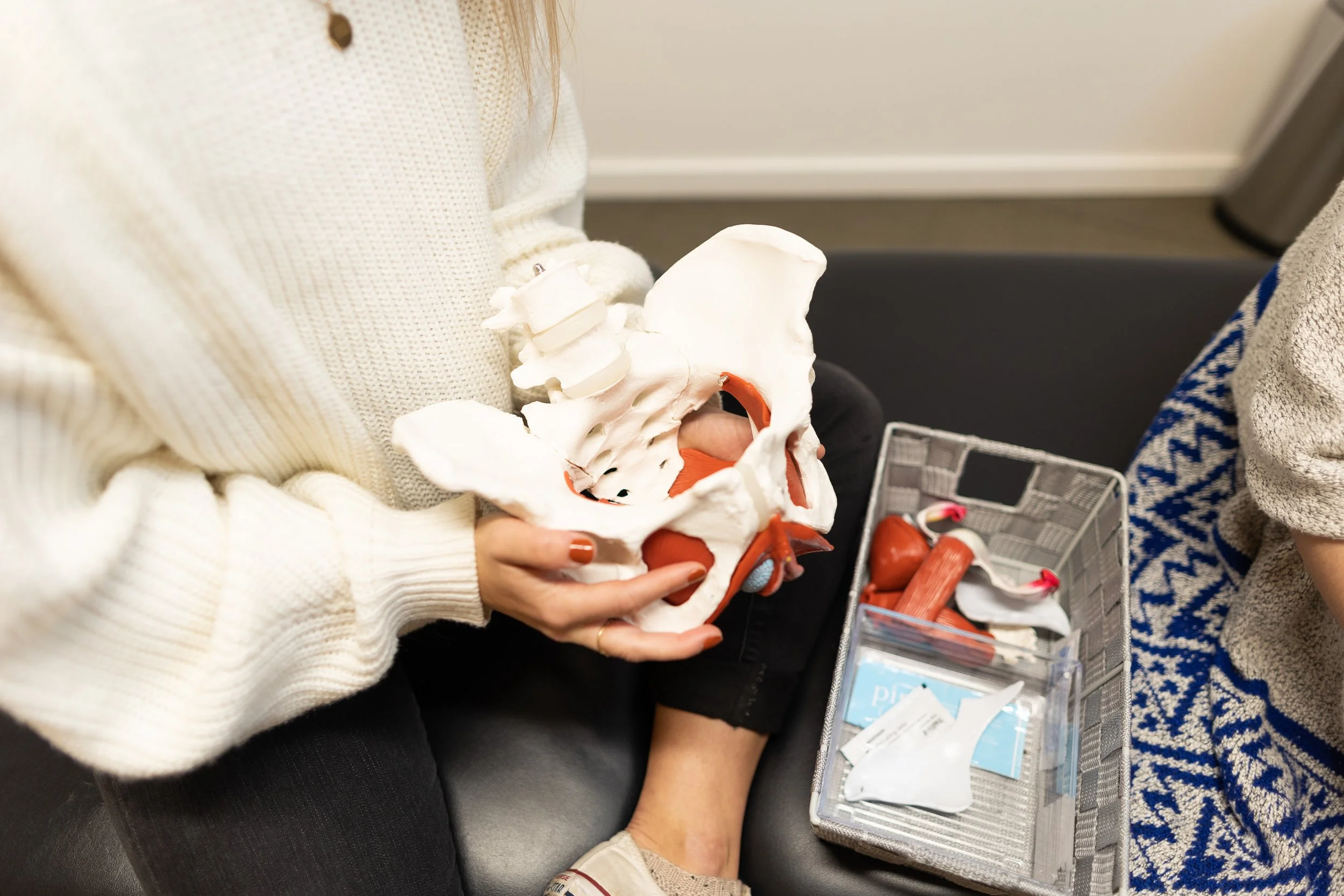
Many postnatal women have weakened pelvic floor muscles, even months after birth
Healing of muscles and tissues can continue for up to 6–12 months postpartum
Rushing back too soon—especially if you're experiencing leakage, pressure, pain, or core weakness—can delay recovery and increase the risk of long-term issues like incontinence or prolapse.
So, When Am I “Run-Ready”?
While everyone’s recovery looks different, here are a few general run-readiness indicators:
✅ You’re at least 3 months postpartum
✅ You’ve had a pelvic health assessment (recommended for all birthing individuals)
✅ You can complete these movements without pain, pressure, or leakage:
Walk for 30 minutes
Single-leg balance (10 sec)
Jog on the spot (1 min)
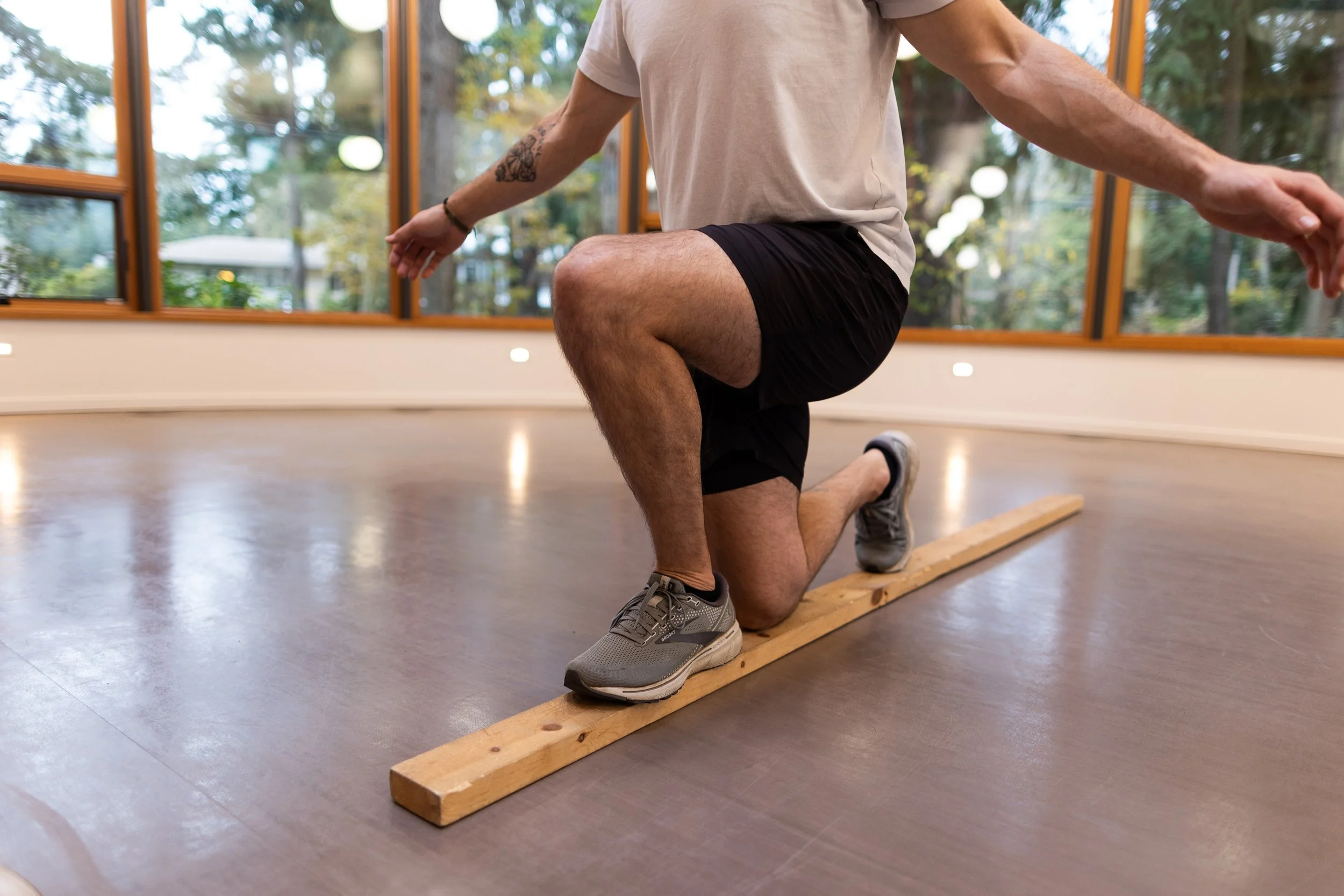
Hop in place (10x each leg)
Forward bounds (10 reps)
Single-leg squat (10 reps/side)
Still leaking, feeling heaviness, or not sure how to assess? Book a session with one of our pelvic health physiotherapists—we’ll help you figure it out.
What About C-Sections?
Even if you had a caesarean birth, your core and pelvic floor are still affected. Tissue healing takes time: abdominal fascia only regains ~70–90% of its strength by 6–7 months postpartum. The general recommendations still apply—wait at least 12 weeks, and progress gradually.
Breastfeeding, Sleep, and Your Body
A few things to consider before lacing up:
Breastfeeding? Hormones may affect joint stability. Time feeds before runs to stay comfortable.
Exhausted? Sleep loss is real—and it affects strength, healing, and performance.
Feeling pressure to “bounce back”? It’s OK to go slow. You’re not behind—you’re healing.
Building Back: What We Recommend
🔄 Start with low-impact movement: walking, bodyweight strength, gentle core and pelvic floor work.
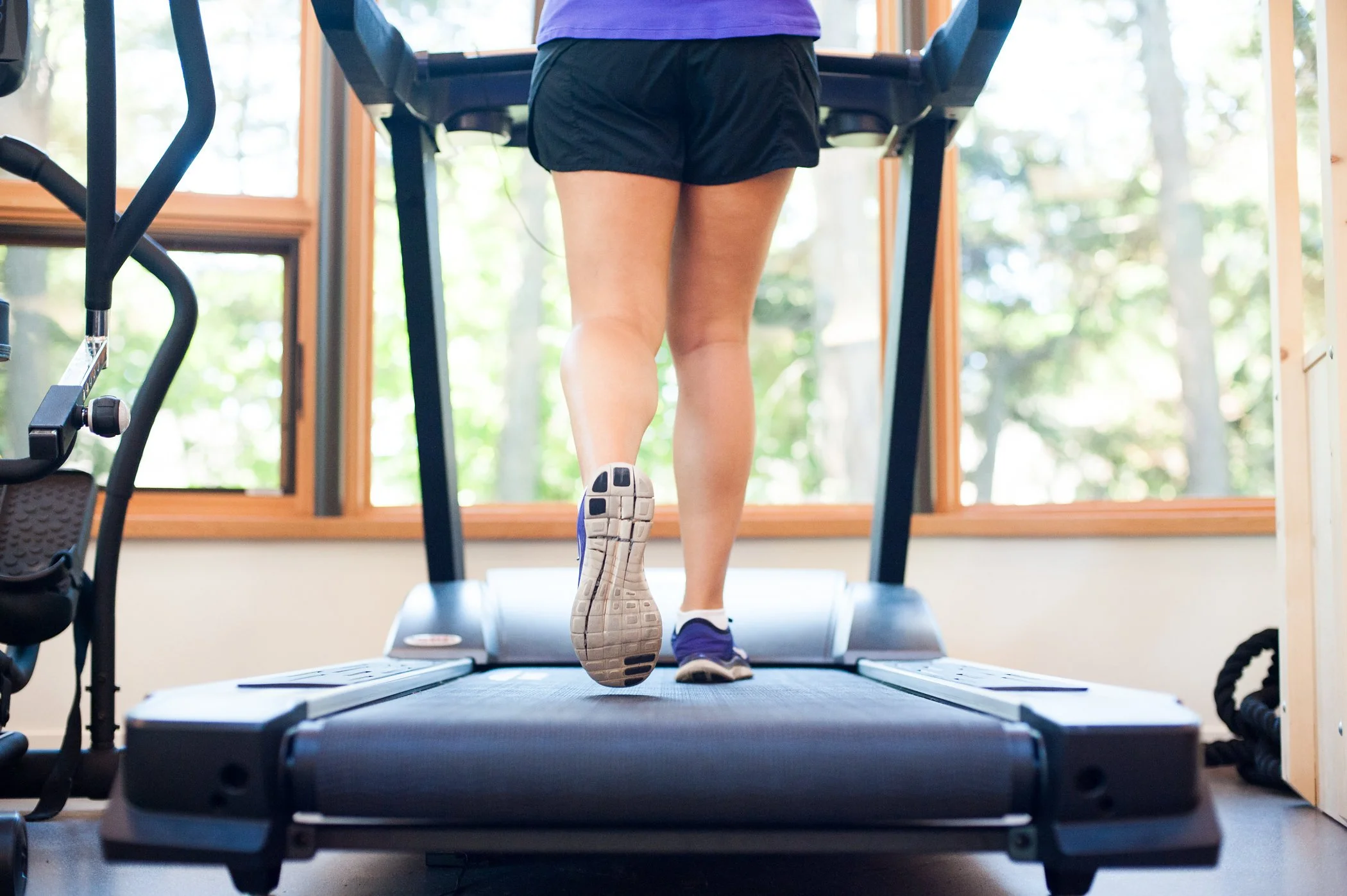
📆 Follow a graded return like a couch to 5K plan—start with 1–2 minutes of running and build slowly.
🧠 Watch for warning signs: incontinence, pelvic pressure, ongoing pain, or bleeding not related to your cycle.
🤝 Get support. A pelvic health physiotherapist can assess your movement, strength, and recovery and help you build a safe plan.
Running with a Stroller?
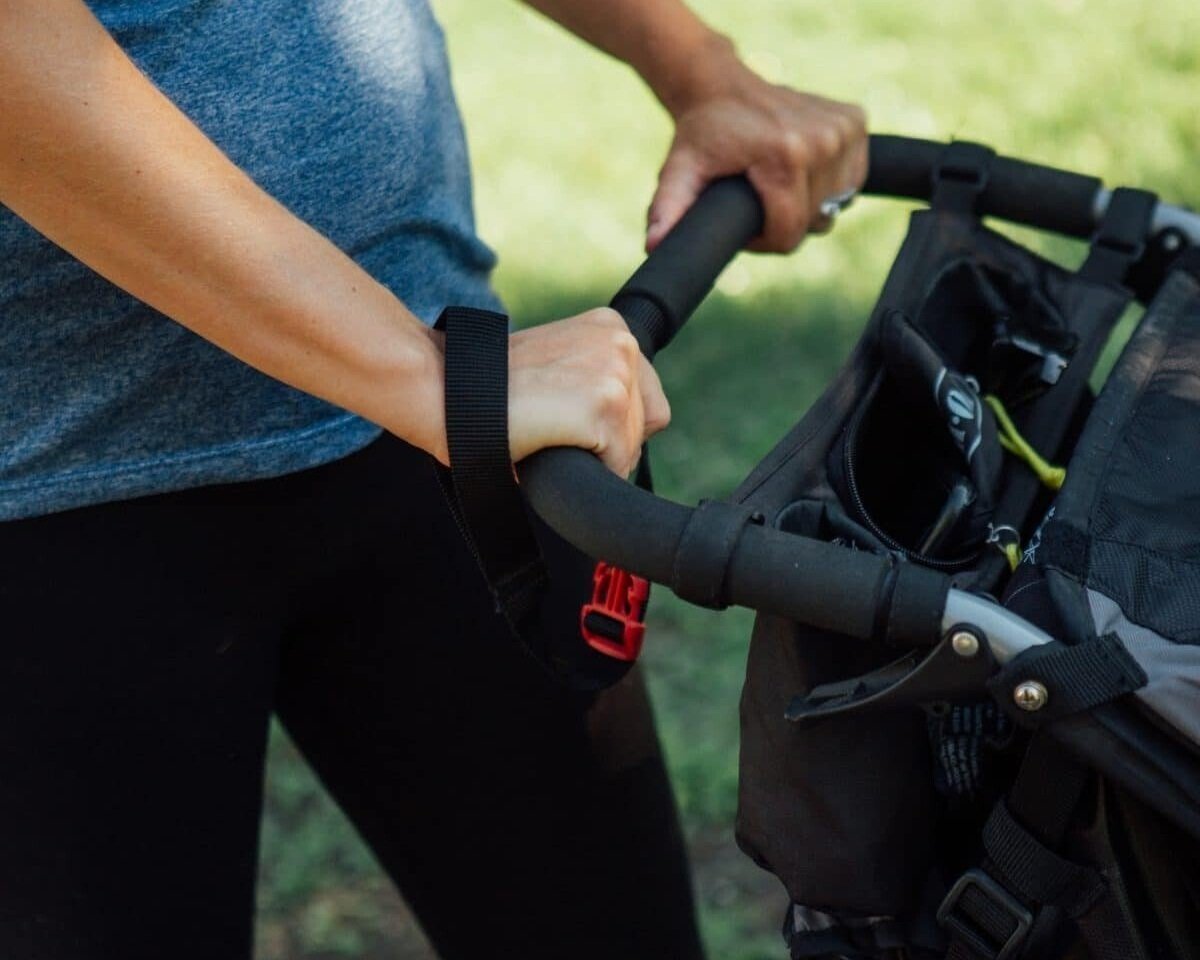
Wait until your baby is 6–9 months old and able to support their head well. Use a stroller designed for running (think: fixed front wheel, suspension, 5-point harness). Start short, run slow, and use a two-handed grip at first. Your back and hips will thank you.
Final Word: Stronger Starts Here
Returning to running after having a baby isn’t about bouncing back. It’s about rebuilding wisely, protecting your pelvic health, and giving your body the care it deserves.
If you’re unsure where to start, our team is here to help. Book a postnatal physio session and let’s make a plan—together.
💪 You’ve got this. We’ve got you.

Alisha Weih, Physiotherapist
RELATED POSTS