How To Get Better Sleep
Proven tips for reducing insomnia and supporting long-term sleep health
Sleep isn’t just about rest — it’s a core pillar of your health. It affects everything from your mood and memory to your digestion, hormones, and immune system. Most adults need 7 to 9 hours of sleep per night, and teens need even more — around 8 to 10 hours.
Yet sleep challenges are common. In fact:
1 in 4 adults report dissatisfaction with their sleep
1 in 10 meet the criteria for insomnia
But here’s the good news: with the right strategies, you can train your body and mind to sleep better — without relying on medication.
What is Insomnia, Really?
Insomnia isn’t just about tossing and turning. It can look like:
Trouble falling asleep
Waking frequently through the night
Early morning wake-ups
Restless or non-refreshing sleep
Or even sleeping too much without feeling rested
Occuring over a period of many months
If you want to do a fast screen for Sleep Apnea, Insomnia or Restless Leg Syndrome learn how to do that here.
Insomnia can impact nearly every system in your body — mood, attention, immune response, digestion, hormones, and muscle recovery. If sleep feels hard, it could be because your rhythm is out of sync. And that can be rebuilt.
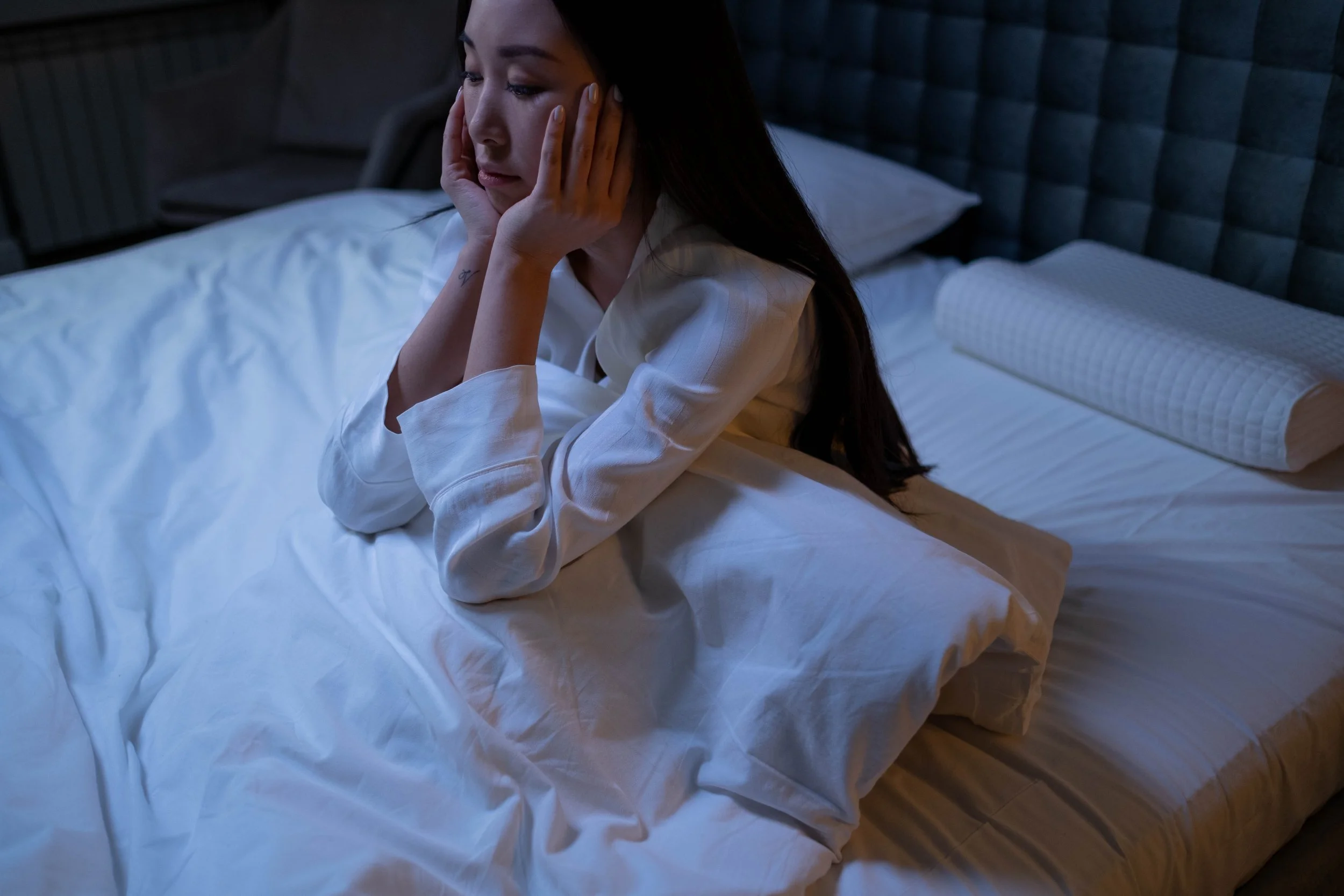
“If you’re having difficulty with sleeping, the good news is that there are many things you can do to improve it.”
🛠️ Seven Sleep Strategies That Work
These approaches come from occupational therapists, sleep psychologists, and decades of research. They're simple, practical, and tailored to how real people live.
1. Set a consistent wake-up time.
This is the single most powerful thing you can do for your sleep. Wake up at the same time every day — even on weekends — to help regulate your circadian rhythm (your internal body clock). Even if you had a rough night, resist the urge to sleep in. It’s consistency that trains your system, not perfection.
2. Use your bed only for sleep, sex, and sickness.
Lying in bed doing wakeful things (scrolling, working, watching Netflix) weakens the connection between your bed and sleep. Over time, this teaches your brain that bed = thinking, planning, or stressing. Reinforce the right association: bed = sleep.
3. Create a calming bedtime routine.
A consistent pre-sleep ritual signals to your nervous system that it’s time to wind down. About 60 minutes before your target bedtime, lower the lights, unplug from screens, and do calming activities (shower, stretch, brush teeth, read, etc.). Repeating this ritual helps cue your body to relax.
4. Only lie down when you feel sleepy.
This one requires nuance. Having a consistent bedtime is helpful, but don’t force yourself into bed if you’re not sleepy. Tossing and turning reinforces a frustrating cycle. Instead, aim to feel sleepy (not just tired or bored) — and if you're not there yet, stay up doing something quiet and relaxing in dim light until sleepiness comes.
If you’re awake for more than 20 minutes during the night, get out of bed and do something boring or calming until you feel sleepy again. Then return to bed. Read more about this one here.
5. Skip the nap.
As tempting as it may be after a rough night, naps can interfere with building enough “sleep pressure” to fall asleep at night. Try to stay awake throughout the day. The longer you stay up, the more naturally sleepy you’ll be when bedtime rolls around.
6. Be active during the day.
Movement helps. People who exercise regularly tend to fall asleep faster and sleep more soundly. You don’t need a gym pass — even light activity like walking the dog, gardening, or cleaning counts. Build that sleep pressure! Read more here about activity and sleep.
7. Get some morning light.
Natural light early in the day helps set your sleep-wake rhythm. Try to get outside within 1–2 hours of waking, even for a short walk or coffee on the porch. Your circadian system thrives on light signals to know when it’s time to be alert — and when to rest. Learn more about early morning light here.

Pair morning light with movement. A great way to set your rhythm and start building sleep pressure.
How to Make These Routines Stick
Start small. Pick one or maximum two strategies to try this week.
Be consistent. Stick with your new routine for at least 4–6 weeks — it can take time for your system to adjust.
Track your progress. Use a sleep diary or tracker to reflect on what’s working.
Be kind to yourself. Some nights won’t go as planned. That’s okay — you’re building a long-term foundation.
💡 Pro tip: If you can’t sleep, get out of bed and do something boring or calming. Just don’t clock-watch. Sleep can’t be forced — it happens best when our approach is gentle, natural and our rhythms are strong.
When to Seek Support
If you've tried these strategies consistently and you're still struggling to fall or stay asleep, it may be time to talk with a professional. Insomnia is often linked to stress, pain, trauma, or medical conditions that need a more tailored approach. The recommended first step would be to connect with your primary care provider and go from there.
Also, we can help.
Our Sleep Program starts with a comprehensive assessment by one of our psychologists and includes tools based in CBT-I (Cognitive Behavioural Therapy for Insomnia) — the gold-standard, non-medication treatment for chronic sleep issues.
Ready to take your sleep seriously?
Explore our Sleep Program or connect with a clinician to get started.

Dr. Jo Epping-Jordan, Registered Psychologist
RELATED POSTS