Why Daily Habits are the Key to Lasting Success
Why Routines Matter
Daily routines shape our lives — often more than we realize. Some help us feel grounded, energized, and focused. Others… not so much.
If you’re like many people, a new year or fresh season can spark the urge to hit reset. Maybe you’ve set goals, made resolutions, or promised yourself this “time will be different.” And while motivation can be a powerful starting point, it often fades and can’t always be relied upon. What really carries us forward are the small things we do consistently, not perfectly.
In this post, we’ll explore simple, practical ways to build routines and habits that actually stick — ones that support your health, productivity, and peace of mind over the long term. Our hope is that these tips help you make changes that feel doable, not daunting — and that genuinely fit your life.

The Science of Habit Formation
Creating habits isn’t just about willpower — it’s about wiring your brain.
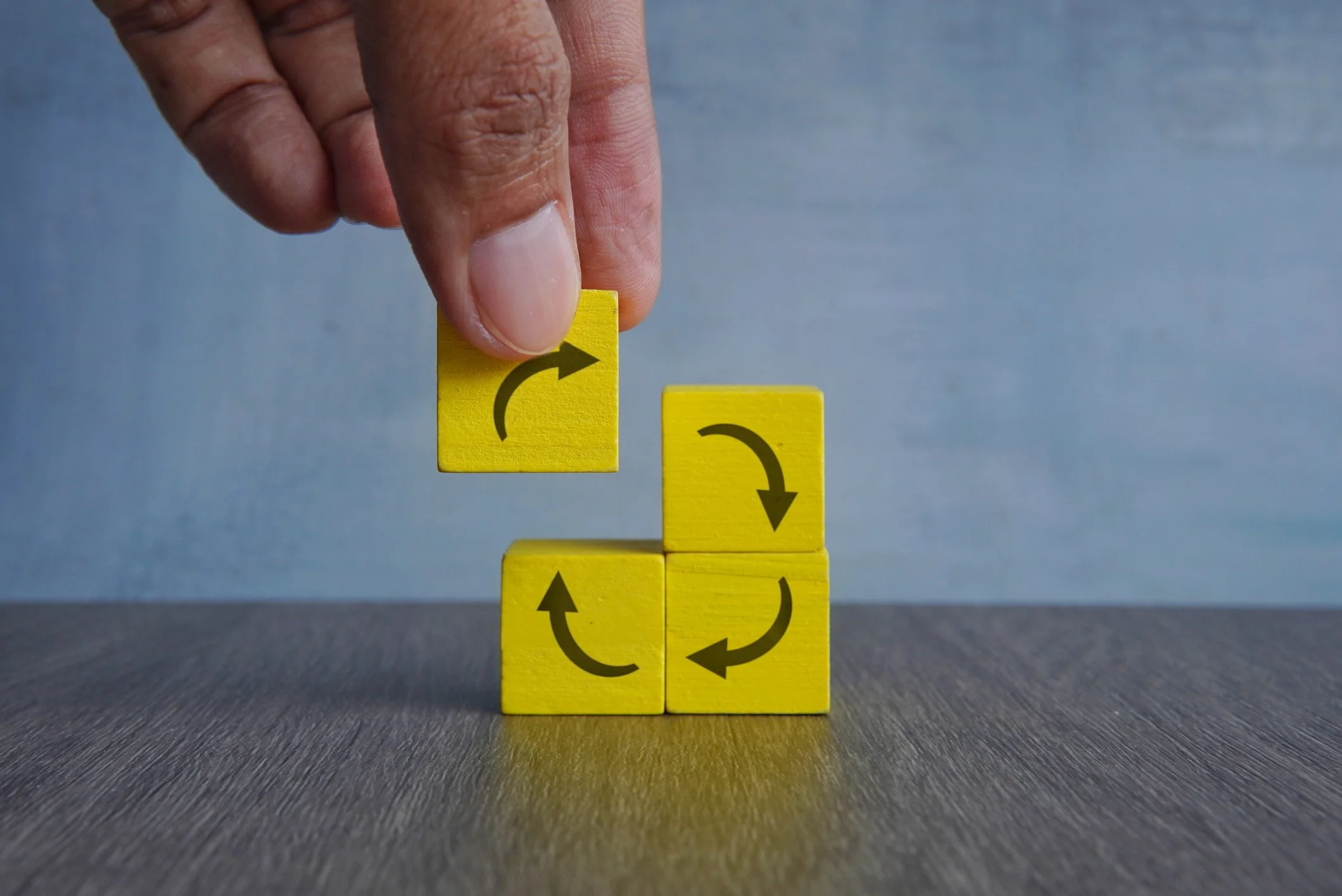
Habit formation can be broken down into a simple, powerful loop with three parts:
Cue (or trigger)
Response (the behavior itself)
Reward (the benefit your brain experiences)
The cue is what initiates the behaviour — a time of day, a feeling, a location, or even another action. The response is the habit you perform. And the reward is what tells your brain, “That was worth it. Let’s do that again.”
Here’s an example using exercise:
Cue: You get home from work feeling mentally drained.
Response: You put on your running shoes and go for a 15-minute walk.
Reward: You feel clearer, more energized, and proud of following through.
Over time, the brain starts to associate that cue (coming home feeling tired or stressed) with movement, because it remembers the reward: a mood boost, a sense of accomplishment, and more energy.
One important thing to note:
If the reward doesn’t feel meaningful or satisfying enough, the behaviour likely won’t stick. This is why it’s so important to choose habits that feel good in the moment — not just in theory.
We’ll come back to how to build satisfying, realistic habits a little later.

Key to starting new habits: Start with what you already do — and build from there.
Transforming Routines Into Habits
You likely already have routines that structure your day — brushing your teeth at night, making coffee in the morning, or catching up with a friend once a week. These familiar touchpoints are powerful opportunities to build new, helpful habits into what you’re already doing.
One simple and effective way to do this is called habit stacking.
Coined by James Clear in Atomic Habits, habit stacking means pairing a new habit with an existing one — using something you already do as a cue for something you want to start doing.
💤 For Better Sleep:
Already brush your teeth every night? That’s your cue.
Stack a calming habit right after — like dimming the lights, doing a few gentle stretches, or reading a few pages of a book instead of scrolling your phone.
Already drink a warm beverage in the evening?
Use that as a signal to start winding down — maybe add a short mindfulness practice or light a candle to shift your nervous system toward rest.
🏃♀️ For More Movement:
Already set your alarm in the morning?
Lay out your workout clothes right next to your phone or toothbrush — making it easier to take a 10-minute walk or do some light mobility before the day gets away from you.
Already take a coffee break at 3 PM?
Stack it with a quick lap around the block or a few flights of stairs — anything to break up sitting time and get your blood moving.
🤝 For Building Social Connection:
Already call your parent or sibling once a week?
Use that day as a reminder to text or check in on another friend or colleague you haven’t heard from in a while.
Already meet a friend for coffee every weekend?
Suggest turning it into a walk-and-talk once in a while — combining connection with movement and fresh air.
The Key: Keep It Small and Specific
Remember, new habits don’t have to be big to be meaningful — they just need to be repeatable.
Rather than saying:
“I want to get more sleep”
Try:
“I’ll turn off all screens and start my bedtime routine right after I brush my teeth at 9:30 PM.”
Rather than:
“I want to be more active.”
Try:
“I’ll do 10 bodyweight squats while the kettle boils each morning.”
Rather than:
“I want to stay in touch better.”
Try:
“I’ll send one check-in text every Saturday morning after I pour my first cup of coffee.”
The more specific the cue, the easier it is to follow — especially when motivation is low.
With time, those small actions become part of your rhythm. And when that rhythm is rewarding, it becomes a habit that sticks.
Start with what you already do — and build from there.

Building meaningful habits with meaningful people.
A Few Habit Ideas to Try
If you're looking for inspiration, here are a few habits that pair well with the strategies we've talked about:
For Sleep:
Turn off screens 30 minutes before bed.
Dim the lights and do 5 minutes of stretching before brushing your teeth.
For Movement:
Take a 10-minute walk after lunch.
Do 10 squats or lunges while the kettle boils.
For Mindfulness:
Write down one thing that went well each day.
Take a deep breath every time you wash your hands.
The Benefits of a Strong Routine
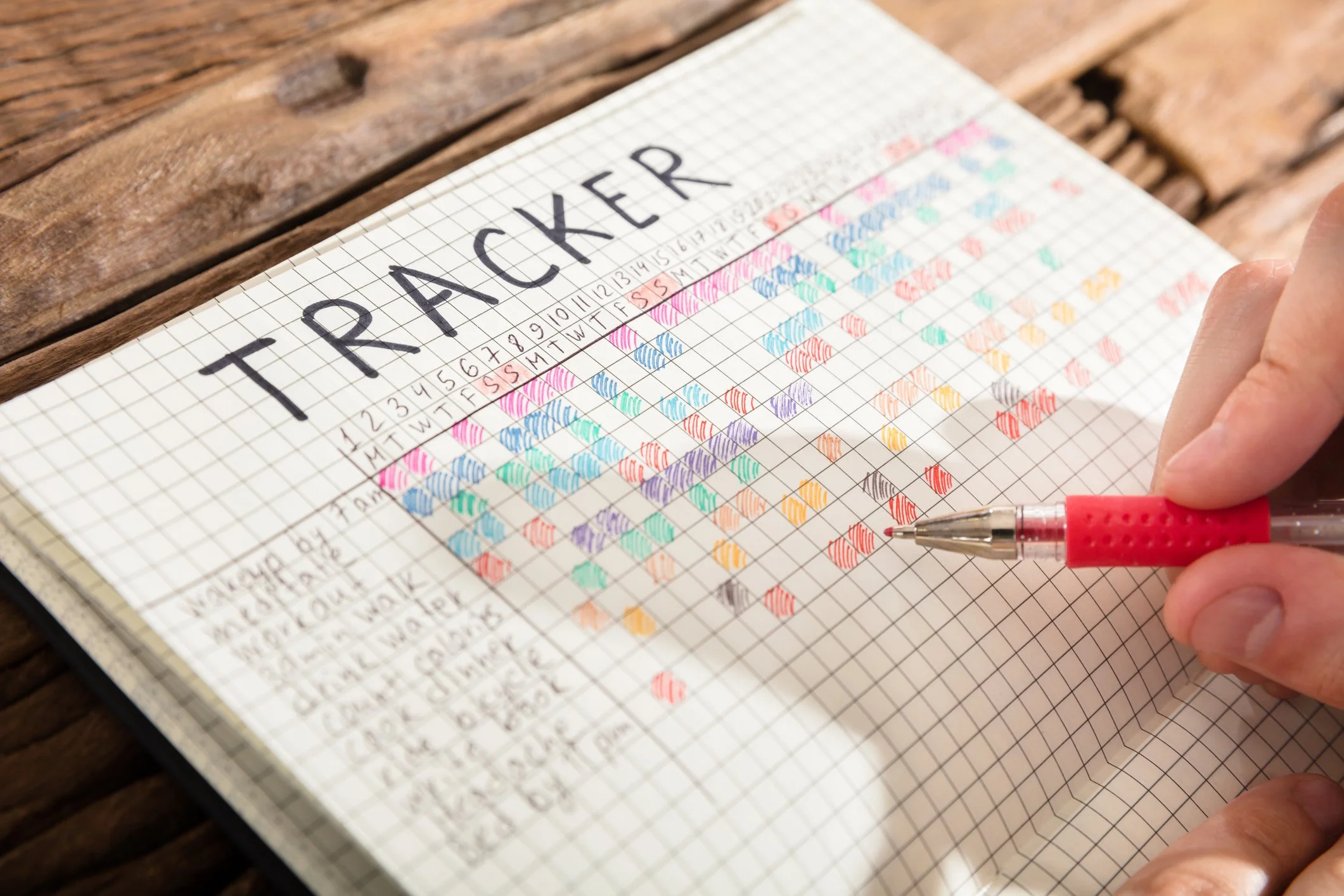
Consistent routines can help reduce decision fatigue, boost focus, support emotional well-being, and make healthy living feel more automatic. But change doesn’t happen overnight — it takes patience, flexibility, and self-compassion.
Some days won’t go as planned, and that’s okay. What matters is returning to your routine when you can. Missed your workout? Skipped your journaling? Just try again tomorrow. Small steps still move you forward.
Ready to try something simple today?
Here are a few easy ideas to get started:
Take a few deep breaths while waiting in line or at a red light
Write down one thing you’re proud of before bed
Spend 5 minutes in the morning identifying your top priorities
How We Can Help
If you're trying to build healthier routines — around sleep, movement, eating, or stress — our Change Coaches can help you create a personalized plan and stick with it.
Looking to optimize what you’ve already built? Our Longevity Program can help you go further with tailored metrics and long-term support.
Let’s build habits that last — together.
For more tips and resources, check out these posts: