
Child Psychology in Victoria
OCD Therapy for Kids
Jump to: How we can help | Who’s it for | Meet Sharyn | FAQ | Book Now
UNDERSTANDING OCD
OCD in Kids
If your child seems stuck in patterns they can’t break, whether it’s repeated questions, rituals, or worries that don’t go away, it can be hard to know how to help.
OCD in kids often shows up as intrusive thoughts and behaviours that feel urgent and overwhelming, even when they don’t make logical sense. Over time, this can start to impact school, friendships, and day-to-day life.
With the right support, things can get better. There are effective, evidence-based approaches that help kids regain confidence and feel more in control.
At Tall Tree, we’re here to support your child and your family with:
-
We use proven approaches like Exposure and Response Prevention (ERP), thoughtfully adapted for children, to help reduce anxiety and build confidence in managing OCD.
-
Since much of the work in ERP (Exposure and Response Prevention), the gold standard for pediatric OCD, happens at home, we work closely with parents so you feel confident supporting your child with clear strategies that extend beyond each session.
-
Every child is different. We tailor therapy to your child’s age, personality, and developmental stage to keep them engaged and progressing.
How we can help
OCD can affect how your child thinks, feels, and moves through their day. Therapy focuses on building practical skills so your child can feel more in control and less overwhelmed.
Through therapy, your child can learn to:
Manage intrusive thoughts and reduce their intensity
Break patterns of compulsive behaviours and rituals
Feel less anxious and avoidant in daily situations
Navigate school, routines, and transitions with more ease
Sleep better and feel more settled at night
Build confidence, independence, and resilience
Reduce the need for constant reassurance
Strengthen emotional regulation and coping skills
We also support parents with tools and strategies so you feel confident helping your child at home. Contact us to get started.
OCD in Kids
Who’s it for
OCD therapy for kids is for families who sense something isn’t quite right, even if it’s hard to name. Your child may be experiencing intrusive thoughts, repetitive behaviours, or distress that they struggle to explain, often feeling embarrassed or unsure if what they’re experiencing is normal.
As a parent, you might notice these patterns but feel unsure how to respond or what it means. Because OCD symptoms can look similar to ADHD or anxiety, getting clarity and the right support can make all the difference.
FAQs
-
Obsessions are intrusive and unwanted thoughts, images, or urges that occur over and over again and feel outside of the child’s control. These obsessions are unpleasant for the child and typically cause a lot of worry, anxiety, and distress.
Common obsessions may include:
Worrying about germs, getting sick, or dying
Extreme fears about bad things happening or doing something wrong
Feeling that things have to be “just right"
Disturbing and unwanted thoughts or images about hurting others
Disturbing and unwanted thoughts or images of a sexual nature
-
Compulsions (also referred to as rituals) are behaviors the child feels he or she “must do” with the intention of getting rid of the upsetting feelings and anxiety caused by the obsessions. A child may also believe that engaging in these compulsions will somehow prevent bad things from happening.
Common compulsions may involve:
Excessive checking (e.g., re-checking that the door is locked, that the oven is off)
Excessive washing and/or cleaning
Repeating actions until they are “just right” or starting things over again
Ordering or arranging things in a specific way
Mental compulsions (e.g., excessive praying, mental reviewing)
Frequent confessing or apologizing
Saying lucky words or numbers
Excessive reassurance seeking (e.g., "Are you sure I’m going to be okay?”)
-
The most effective treatment for childhood OCD is Exposure and Response Prevention (ERP), a structured, evidence-based therapy. ERP helps children gradually face the thoughts or situations that trigger anxiety (exposure) while learning not to engage in compulsions (response prevention). Over time, this helps the brain learn that the anxiety will pass on its own and that feared outcomes are unlikely to happen. Treatment is always paced appropriately for the child, building confidence step by step.
-
Parents play a key role in supporting their child’s progress. In therapy, you’ll learn how to respond to OCD in a way that reduces its hold rather than reinforcing it. This often includes gently encouraging your child to face fears, limiting reassurance or participation in rituals, and supporting ERP strategies between sessions. With the right guidance, parents can feel confident helping their child build resilience and maintain progress at home.
Meet our Psychologist

Sharyn Kucy
Psychologist
Sharyn Kucy is a Registered Psychologist with over 25 years of experience supporting children, youth, and families. She takes a warm, collaborative approach, helping kids understand what’s happening in their brain while building practical tools to feel more in control. Sharyn works closely with parents as part of the treatment process, coaching them how to support their child overcome OCD by using Exposure and Response Prevention (ERP) at home, to strengthens treatment gains. Active parental involvement is associated with better long-term outcomes and reduced symptom severity compared to child-only therapy.
Get the support your child needs, and the guidance you need as a parent. Contact us to book with Sharyn.
Get STarted
How to Book
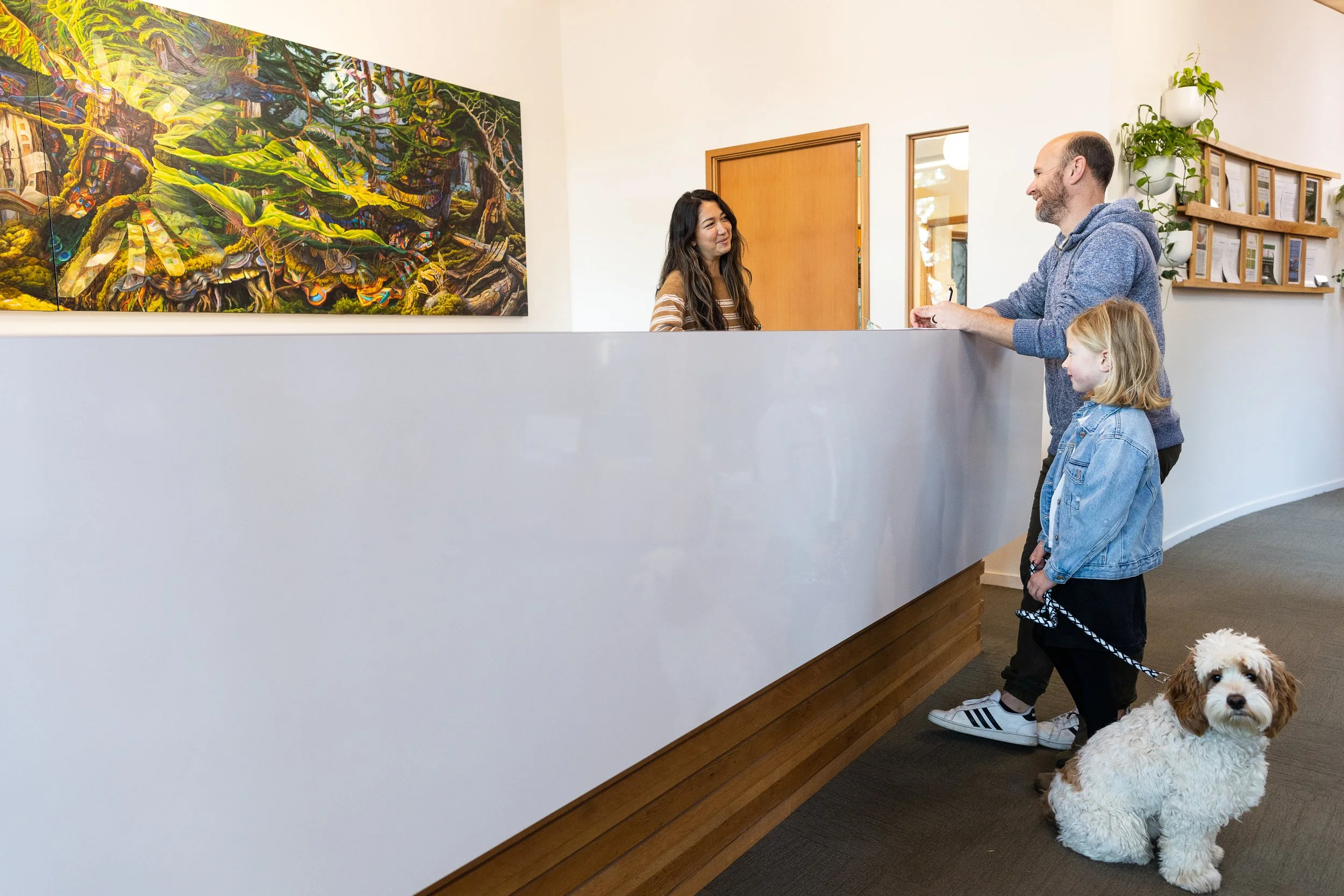
Tall Tree’s OCD Therapy for kids is available in person at Cordova Bay, Victoria.